Introduction: Balancing Speed and Accuracy in Modern Manufacturing Quality Control
In today's fast-paced manufacturing field, achieving a delicate balance between speed and accuracy in quality control (QC) is important for maintaining efficiency and competitiveness. While rapid production and quality checks are essential for meeting market demands, sacrificing accuracy can lead to costly defects, customer dissatisfaction, and reputational damage. This article examines the strategies and technologies that enable manufacturers to enhance both speed and accuracy in QC, ensuring products meet the highest standards while maintaining production rates. We explore a spectrum of methods, from traditional visual inspections to advanced AI-driven solutions, providing a practical guide to optimizing QC processes for sustained success in manufacturing.
- Understanding the Speed-Accuracy Paradox in QC
- Strategies for Balancing Speed and Quality
- Advanced Techniques for Efficient, Accurate QC
- Measuring and Optimizing Quality Control Performance
Understanding the Speed-Accuracy Paradox in QC

Understanding the Speed-Accuracy Paradox in QC
In manufacturing, the pursuit of speed and accuracy in quality control (QC) often presents a seemingly insurmountable paradox. While faster processing times can lead to increased productivity, improved efficiency, and reduced costs, they can also result in a higher rate of defects and decreased product quality. Conversely, prioritizing accuracy, often through meticulous manual inspections, can slow down production, increase labor costs, and reduce overall throughput. Balancing these two seemingly contradictory goals is important for achieving sustainable competitive advantage in today's fast-paced manufacturing environment.
This dilemma arises because speed and accuracy are often inversely proportional. High-speed automated systems, for instance, may miss subtle variations in product characteristics due to their focus on speed and volume. On the other hand, manual inspections, while highly accurate, are time-consuming and prone to human fatigue, leading to slower cycle times. However, understanding this paradox is the first step towards mastering it. By employing a combination of advanced technologies and smart process design, manufacturers can mitigate the negative impacts of speed and strive for a harmonious equilibrium.
implementing Statistical Process Control (SPC) alongside AI-driven quality control systems can achieve this balance. SPC allows for continuous monitoring of production processes, enabling immediate adjustments for deviations and minimizing the occurrence of defects. AI algorithms, leveraging machine learning, can analyze vast amounts of data to identify patterns and predict potential issues, further enhancing accuracy without sacrificing speed. This integrated approach ensures both the speed and accuracy needed to thrive in today's demanding manufacturing field.
Strategies for Balancing Speed and Quality
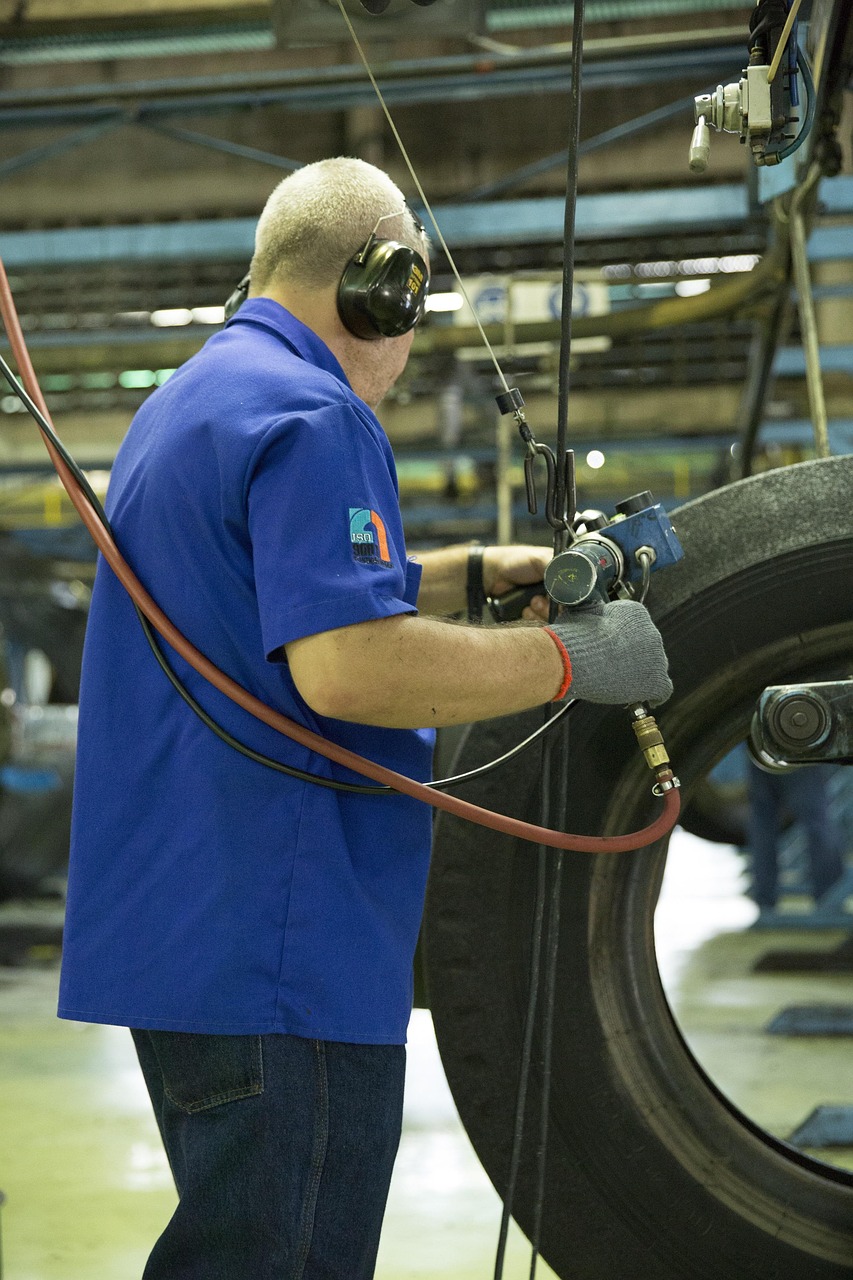
Strategies for Balancing Speed and Quality
In modern manufacturing, the pursuit of speed and efficiency is a constant race against time and costs. However, achieving high production rates cannot come at the expense of quality. A delicate balance must be struck between the two to ensure that products meet stringent standards while maintaining a competitive edge. This balance is important for maintaining customer satisfaction, minimizing returns, and ultimately, protecting brand reputation.
One effective strategy is the implementation of Statistical Process Control (SPC). SPC involves using statistical methods to monitor and control manufacturing processes. By setting specific limits and closely observing output variations, manufacturers can identify potential quality issues early in the production cycle. This proactive approach allows for immediate corrective actions, reducing defects and improving overall efficiency. A study by the American Society for Quality (ASQ) found that SPC techniques led to a 30% reduction in defect rates in a sample of automotive manufacturing plants.
leveraging Computerized Vision Systems can significantly enhance both speed and accuracy. These systems use cameras and machine learning algorithms to inspect products visually, identifying defects that might be missed by human inspectors. By automating the inspection process, production lines can run faster while maintaining a high level of quality control. A case study from a leading electronics manufacturer revealed a 25% increase in production throughput after implementing AI-driven computer vision systems, alongside a 15% reduction in scrap rates.
adopting Lean Manufacturing principles can streamline workflows and eliminate non-value-added steps, directly contributing to both speed and quality. By focusing on continuous improvement and minimizing waste, manufacturers can optimize their processes, reduce cycle times, and enhance overall product quality.
Advanced Techniques for Efficient, Accurate QC
Advanced Techniques for Efficient, Accurate QC
In modern manufacturing, balancing speed and accuracy in quality control (QC) is paramount to meeting production demands while maintaining product integrity. Advanced techniques use innovative technologies and data-driven insights to streamline processes without sacrificing precision. Computerized Vision Systems, for instance, employ machine vision cameras and AI algorithms to automatically inspect products, detecting even minute defects that human eyes might miss. This not only enhances accuracy but also significantly speeds up the inspection process, allowing for higher throughput rates.
Real-time monitoring is another powerful tool, utilizing sensors and software to track product quality as it moves through the manufacturing line. This approach enables immediate adjustments to be made if deviations from quality standards are detected, minimizing the impact of defects and reducing waste. Predictive analytics, powered by machine learning algorithms, takes this a step further by forecasting potential quality issues based on historical data and production trends. By identifying problems before they occur, manufacturers can proactively implement preventative measures, further optimizing their QC processes.
These advanced techniques are complemented by Adaptive Quality Control methods, which dynamically adjust inspection parameters based on product variations and production conditions. This adaptability ensures that the QC process remains effective even as products evolve or external factors change. Integrating these sophisticated tools into a solid QC system allows manufacturers to achieve a delicate balance between speed and accuracy, ultimately enhancing product quality, reducing costs, and ensuring customer satisfaction.
Measuring and Optimizing Quality Control Performance

Measuring and Optimizing Quality Control Performance
In the fast-paced world of manufacturing, balancing speed and accuracy in quality control (QC) is a delicate art. While rapid production is essential for meeting market demands, compromising quality to achieve speed is a recipe for disaster. The true measure of successful QC lies not only in speed but in the consistency and reliability of high-quality products. This requires a strategic approach to measurement and optimization that goes beyond simple pass/fail rates.
Measuring QC performance involves a multi-faceted approach, encompassing both quantitative and qualitative data. Key Performance Indicators (KPIs) such as product defect rates, cycle times, and first-pass yield provide a solid foundation. A decline in defect rates over time indicates improvements in QC processes. However, these metrics alone tell only part of the story. Visual inspections, statistical process control (SPC), and data analytics provide deeper insights into the root causes of defects, allowing for more targeted and effective corrective actions. Implementing SPC charts in assembly lines can reveal fluctuations that signal potential issues before they cascade into major quality failures.
Optimizing QC performance requires a continuous improvement mindset. Regular analysis of KPIs and root cause analysis (RCA) data identifies bottlenecks and areas for enhancement. Techniques like Six Sigma and Lean Manufacturing offer powerful frameworks for eliminating waste and streamlining processes, ultimately leading to faster and more accurate QC. By embracing digital transformation with cloud-based quality management software, real-time monitoring, and AI-driven quality control, manufacturers can further raise their performance. These technologies enable proactive identification of potential issues, allowing for swift corrective actions and minimizing the impact on overall production.
Frequently Asked Questions About enhance, not hinder: balancing speed and accuracy in QC
What are the primary challenges in balancing speed and accuracy during quality control (QC) in manufacturing? Manufacturers often face a trade-off between speed and accuracy in QC. Faster inspection times can lead to missing defects, while more thorough, time-consuming methods may hinder production flow. The challenge is to find a sweet spot where speed enhances quality without hindering it, especially as manufacturing processes become more complex and products more intricate.
How can I improve the speed of my QC process without sacrificing accuracy? One effective strategy is to implement automated QC systems, such as machine vision, which can inspect products quickly and consistently. Another approach is to streamline the inspection process by standardizing procedures and using visual aids to guide inspectors. Training employees on efficient inspection techniques and using statistical process control tools can help maintain accuracy while increasing speed.
What is the role of technology in enhancing QC speed and accuracy? Technology matters in modern QC. AI and machine learning algorithms can analyze data and identify patterns, enabling faster and more accurate defect detection. Cloud-based quality management systems facilitate real-time monitoring and data sharing, while IoT (Internet of Things) devices provide continuous quality data. These technologies help manufacturers make data-driven decisions and improve overall QC efficiency.
How can I ensure consistent quality control across different stages of manufacturing? Consistency is key to maintaining quality. Standardize QC procedures at every stage of production and ensure all employees are trained to follow these standards. Implement visual management techniques, like color-coding and clear signage, to make the QC process more intuitive. Regularly audit and calibrate equipment to maintain accuracy, and use statistical process control to monitor and control variations.
What are the benefits of combining visual inspection and machine vision in QC? Combining visual inspection and machine vision offers the best of both worlds. Visual inspection provides human expertise and flexibility, while machine vision enhances speed and accuracy. This dual approach ensures that complex defects can be detected efficiently, and it allows for a more comprehensive QC strategy, especially for high-volume manufacturing.
balancing speed and accuracy in quality control (QC) is important for enhancing, not hindering, manufacturing efficiency. By implementing the right mix of traditional and advanced techniques, such as Statistical Process Control (SPC), Computerized Vision Systems, and AI-driven QC, manufacturers can achieve both rapid output and unwavering product quality. The article has highlighted the importance of continuous improvement, leveraging innovative technologies, and standardizing procedures to streamline QC processes. Integrating QC into the entire supply chain, from initial material selection to final product delivery, ensures a complete approach that strengthens brand reputation and fosters customer satisfaction, ultimately driving repeat business and long-term success.
The speed-accuracy paradox in manufacturing quality control (QC) challenges industries to balance efficiency with defect rates. Faster processing times drive productivity, efficiency, and cost savings, but may increase defects. Traditional QC methods often sacrifice speed for accuracy, hindering overall production. Advanced techniques, such as automated inspection, machine vision, statistical process control, and real-time monitoring, offer solutions. Implementing these modern QC techniques requires careful consideration of cost, resources, and the specific manufacturing process. Success lies in finding the best balance between speed and accuracy tailored to each operation's unique needs.