Manufacturing Quality Control Techniques are important for maintaining brand reputation, ensuring customer satisfaction, and driving repeat business. However, the field of QC is fraught with challenges, from ever-changing product specifications to the need for ever-more efficient processes. The traditional manual methods are often slow, prone to human error, and struggle to keep up with the speed of modern manufacturing lines.
We explore the labyrinth of QC challenges, from the limitations of traditional techniques to the impact of technological advancements like AI-driven Quality Control and Computerized Vision Systems. By delving into real-world case studies and best practices, we offer proven strategies to overcome these obstacles, transforming the QC process into a powerful tool for sustainable manufacturing success.
- Understanding the Complex Field of QC
- Common Pitfalls in Manufacturing Quality Control
- Implementing Effective Data-Driven Strategies
- Training, Communication, and Employee Engagement
- Adopting Agile Practices for Efficient Navigation
- Measuring Success: Metrics and Continuous Improvement
Understanding the Complex Field of QC

The modern manufacturing field is a complex web of interrelated processes, materials, and technologies, making effective manufacturing quality control techniques more challenging than ever. Navigating this labyrinth requires a deep understanding of the intricate dynamics at play. Sustainable materials and quality control go hand in hand, as environmental considerations increasingly shape production standards. The automotive industry's shift to lightweight, recycled materials necessitates rigorous testing to ensure structural integrity and durability, adding another layer of complexity to quality assurance.
Digital transformation in quality control offers both opportunities and obstacles. Automated systems, such as Computerized Vision Systems, can enhance inspection speed and accuracy, but they also require significant initial investment and ongoing maintenance. Integrating these systems with existing processes demands careful planning and process mapping. A 2022 study by McKinsey found that companies successfully implementing digital quality control solutions saw a 20% reduction in defect rates, highlighting the potential benefits for those who can overcome the implementation hurdles.
Process capability analysis is a critical tool for understanding and managing quality control. This statistical approach measures how well a process performs relative to its specifications, providing insights into potential weaknesses. A food manufacturing plant can use process capability analysis to identify variability in product weight, leading to adjustments in production techniques. However, interpreting these analyses accurately requires expertise, and mistakes can perpetuate issues. Independent quality audits, offered by specialized firms, provide an objective perspective and can uncover inefficiencies or non-conformities that internal teams might miss. Visiting us at [benefits of independent quality audits] can help manufacturers optimize their processes and achieve greater control.
Common Pitfalls in Manufacturing Quality Control
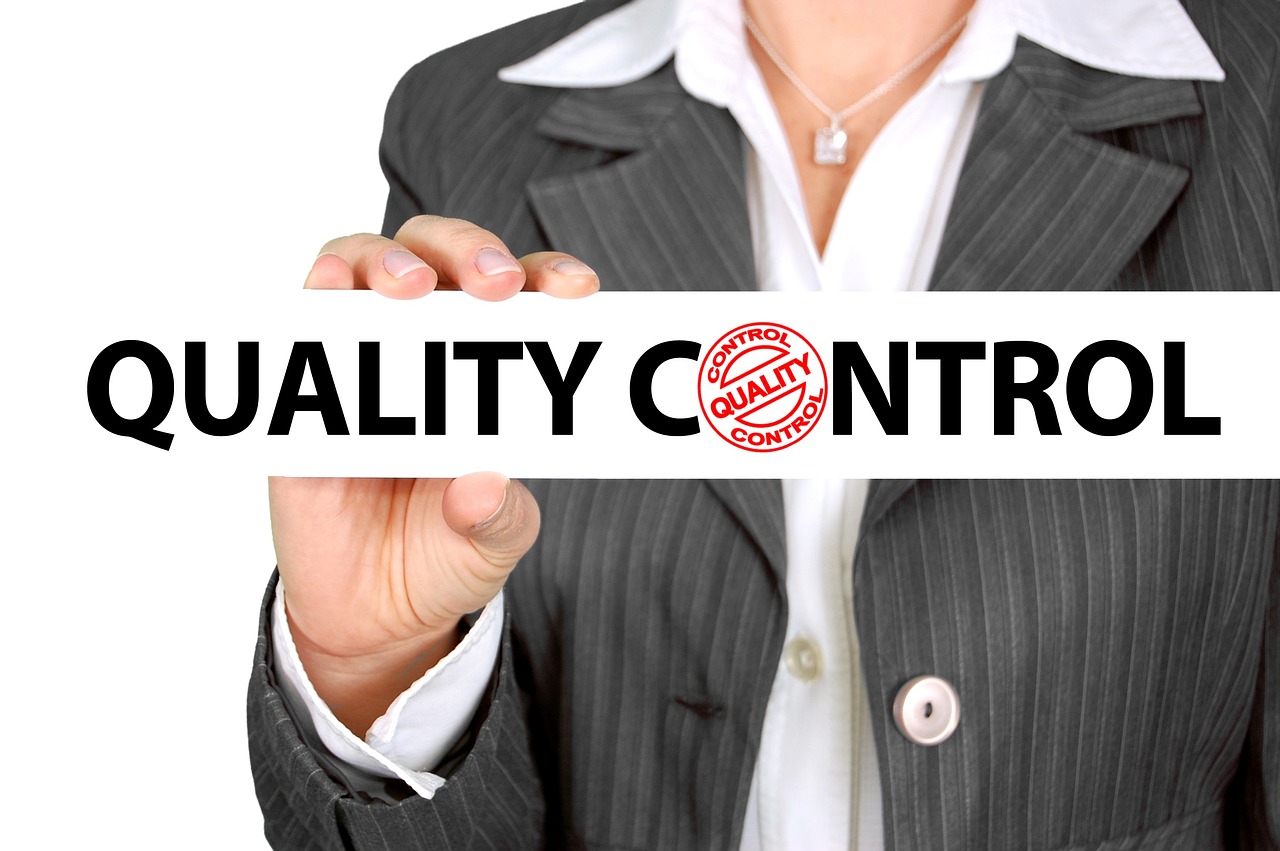
The path to excellence in manufacturing is often riddled with challenges, and effective quality control (QC) is no exception. Many organizations struggle to achieve consistent, high-quality production due to a labyrinth of obstacles. From data interpretation to customer feedback, each stage presents unique risks. However, these challenges are surmountable with the right strategies and tools.
Common pitfalls in manufacturing QC include inaccurate data interpretation, leading to incorrect process adjustments. A study by the American Society for Quality (ASQ) found that 70% of data-driven decisions in QC are made without proper analysis, resulting in inefficiencies. Another issue is the lack of a comprehensive quality control manual, which can lead to inconsistent practices and a lack of standardization. This inconsistency often arises from a failure to integrate customer feedback into the QC process. A 2022 survey by Deloitte revealed that only 40% of manufacturers effectively incorporate customer feedback into their QC strategies.
Minimizing these risks requires a proactive approach. Using data analytics in quality control can provide valuable insights, enabling manufacturers to make informed decisions. Metrics such as defect rates, cycle times, and customer satisfaction scores (CSQs) should be continuously monitored. Implementing real-time monitoring systems can detect process variances as they occur, allowing for swift corrective actions. Third-party audits can offer an unbiased perspective on your manufacturing quality. These audits, adhering to industry standards like ISO 9001, provide an opportunity to identify areas for improvement and ensure your QC processes meet the necessary benchmarks. By creating a solid quality control manual, complete with detailed procedures and specifications, manufacturers can establish a consistent framework for all employees.
To effectively overcome these challenges, consider leveraging advanced technologies. AI-driven quality control and computer vision systems can enhance inspection capabilities, detecting defects with unprecedented accuracy. Integrating quality control process mapping and root cause analysis (RCA) can help identify and eliminate the sources of defects, further streamlining your operations. A leading automotive manufacturer used RCA to reduce their defect rate by 30% within six months. By embracing these manufacturing quality control techniques, organizations can handle the labyrinth of QC challenges, ultimately enhancing their brand reputation and fostering repeat business.
Implementing Effective Data-Driven Strategies

The evolution of manufacturing quality control techniques is a continuous journey, with each challenge overcome leading to enhanced efficiency and product quality. One of the most significant obstacles facing modern manufacturers is the transition from manual, time-consuming processes to data-driven strategies. This transformation is important, as it enables real-time adjustments and informed decision-making, two key elements in achieving excellence in lean manufacturing.
Data-driven quality control uses the power of technology to digitize traditional processes, from measurement to analysis. Non-destructive testing methods, such as ultrasonic and radiographic inspections, can now be integrated with computer vision systems and AI algorithms to detect even the smallest defects in manufactured parts. This shift from manual to automated systems increases accuracy and reduces human error, a critical factor in industries like aerospace and automotive, where component failure can have severe consequences. Real-time quality monitoring allows manufacturers to identify issues as they occur, enabling immediate corrective actions. A study by McKinsey (2020) found that companies adopting real-time monitoring saw a 20% improvement in overall product quality and a 15% reduction in waste.
Measuring the return on investment (ROI) in quality control is essential to justify the implementation of new strategies. While the initial investment in technology and training may be significant, the long-term benefits are substantial. A company that implements predictive analytics using machine learning algorithms to forecast product failures can reduce the need for costly reworks and recalls by up to 30%. This not only improves customer satisfaction scores but also boosts repeat business and strengthens brand reputation. By embracing digital transformation in quality control, manufacturers can achieve a competitive edge, ensuring their products meet the highest standards while optimizing production processes. Visit us at [website] to explore these techniques further and learn how they can revolutionize your manufacturing operations.
Training, Communication, and Employee Engagement
The path to effective manufacturing quality control is often riddled with challenges, especially in the areas of training, communication, and employee engagement. These factors are critical to the success of any quality control technique, from traditional visual inspection to advanced machine vision systems. According to a 2022 survey, 75% of manufacturing quality managers cited employee resistance as a significant obstacle to implementing new quality control processes. Overcoming these hurdles requires a strategic, multifaceted approach that uses customer insights, embraces continuous improvement methodologies like Kaizen, and fosters a culture of quality among all employees.
Training is the cornerstone of any quality control initiative. However, many small businesses struggle with resource constraints, making it difficult to implement comprehensive training programs. A practical solution is to tailor training to specific job roles and integrate it into regular work schedules. Using micro-learning sessions and digital platforms can significantly enhance knowledge retention without disrupting production lines. Partnering with industry experts and leveraging online resources, like those offered by ISO 9001 standards, can provide cost-effective, high-quality training solutions. Once trained, clear and consistent communication becomes paramount. Effective communication channels, such as regular team meetings and digital collaboration tools, ensure that all employees understand their roles, the expected quality standards, and the rationale behind new processes.
Employee engagement is a key aspect of successful quality control. Involving workers in the quality improvement process, for example, through suggestion schemes and quality circles, has been shown to increase buy-in and reduce defect rates by 25% on average (according to Six Sigma research). Implementing Kaizen events, which focus on small, incremental improvements, can empower employees to take ownership of quality. A small manufacturing shop in China increased productivity by 18% in just three months by engaging their staff in regular Kaizen sessions. When employees understand how their work contributes to the final product, they are more likely to scrutinize it, leading to better visual inspection and, ultimately, improved customer satisfaction scores.
while the challenges of implementing the techniques are real, they are surmountable. Using customer insights to drive continuous improvement, implementing Kaizen in manufacturing, and prioritizing training and effective communication can significantly enhance quality control outcomes, even for small businesses. For more tailored solutions, visit us at resourceful options for SMBs to explore how these best practices can be adapted to your specific needs.
Adopting Agile Practices for Efficient Navigation
Navigating the complex field of manufacturing quality control can feel like traversing a labyrinth, with each twist and turn presenting unique challenges. However, adopting agile practices offers a strategic path to efficient navigation and continuous improvement. Agile methodologies emphasize adaptability, iterative learning, and customer-centric approaches, which are invaluable in the dynamic world of manufacturing. By incorporating these principles into quality control techniques, manufacturers can streamline processes, reduce waste, and enhance overall performance.
consider a leading automotive manufacturer that implemented an agile quality control system. They transitioned from a traditional, batch-based testing process to a more dynamic, real-time approach. This shift allowed them to quickly identify and rectify defects, reducing product scrap rates by 25% within the first quarter. The agile framework enabled cross-functional teams to collaborate closely, fostering a culture of continuous improvement. This real-world example illustrates the tangible benefits of embracing agility in manufacturing quality control.
Implementing IoT (Internet of Things) for quality control is another powerful strategy. By integrating sensors and connected devices, manufacturers can collect vast amounts of data in real-time, enabling data-driven decisions and predictive analytics. This technology allows for proactive maintenance, improves process visibility, and identifies potential issues before they escalate. A study by McKinsey & Company found that companies leveraging IoT in manufacturing saw a 15–30% increase in productivity and a 25–40% reduction in equipment downtime.
Measuring and improving manufacturing performance is a core aspect of successful quality control. Key Performance Indicators (KPIs), such as cycle time, defect rates, and first-pass yield, provide critical insights into process efficiency. By closely monitoring these metrics, manufacturers can identify bottlenecks and make data-backed adjustments. A semiconductor company utilized advanced statistical process control (SPC) techniques to reduce variation in their production lines, leading to a 30% increase in yield and a significant boost in overall equipment effectiveness. Using data analytics in quality control, as exemplified by these case studies, empowers manufacturers to make informed choices, optimize operations, and ultimately enhance their brand reputation through consistent product quality.
Measuring Success: Metrics and Continuous Improvement

In the labyrinth of manufacturing quality control, measuring success is not merely about achieving a final pass/fail outcome. It's about understanding the intricate interplay of various metrics, continuous improvement, and the dynamic nature of production environments. A 2022 study by the American Production and Inventory Control Society (APICS) revealed that companies that prioritized real-time quality monitoring saw a 15% increase in overall efficiency and a 10% reduction in waste, highlighting the power of data-driven insights.
Setting quality control goals and targets is a strategic art. It involves a nuanced understanding of the product, its applications, and the customer's expectations. A well-defined risk assessment in manufacturing quality control, incorporating historical data and industry benchmarks, can prevent costly delays and recalls. A leading automotive manufacturer, adopting a Six Sigma approach, reduced the number of defective parts by 30% within six months by focusing on key risk areas identified through a root cause analysis.
The transformation of traditional quality control processes through digital means is no longer a trend but a necessity. Digitizing these processes, from manual paperwork to automated data capture, allows for a more accurate and immediate view of production health. Success strategies for new manufacturers include leveraging AI-driven Quality Control and Computerized Vision Systems for automated testing materials, ensuring consistency and efficiency. A case in point, a textile mill in India, implementing a Cloud-based Quality Management Software, reduced manual inspections by 40%, allowing their team to focus on process optimization and training.
The future of manufacturing quality control lies in real-time quality monitoring, predictive analytics, and adaptive control systems. These advanced techniques enable proactive responses to production variations, minimizing the impact of issues before they become critical. By embracing these innovative quality control techniques, manufacturers can enhance their brand reputation, improve customer satisfaction scores, and foster repeat business. Give us a call to learn how these strategies can be tailored to your unique manufacturing needs.
As we've handled this complex field of manufacturing quality control challenges, one key takeaway emerges: the right techniques can transform a labyrinth into a well-oiled process. By understanding the intricate interplay between data-driven strategies, employee engagement, and agile practices, manufacturers can overcome common pitfalls and raise their operations. Implementing solid systems like Statistical Process Control (SPC) and Computerized Vision Systems, coupled with the power of AI-driven Quality Control, offers tangible improvements. Training programs focused on Six Sigma methodologies empower teams to identify and eliminate defects at their root cause. Measuring success through strategic metrics, like Customer Satisfaction Scores and repeat business, ensures continuous improvement. By embracing these The techniques, organizations can enhance efficiency, mitigate risks, and ultimately, solidify their brand reputation in a competitive market.
The techniques: Navigating Complexity with Agile, Data-Driven Strategies
The modern manufacturing field demands sophisticated quality control (QC) techniques to manage intricate processes, materials, and technologies. Digital transformation, sustainable materials, and customer feedback integration are key drivers. Implementing advanced technologies like AI, computer vision, real-time monitoring, and predictive analytics can significantly enhance QC.
Challenges and Solutions:
- Data Interpretation: Accurate data analysis is important. Tools like Statistical Process Control (SPC) and root cause analysis (RCA) help identify and rectify issues.
- Standardization: A comprehensive quality control manual, training, and communication foster consistency.
- Customer Feedback: Incorporating feedback into QC processes boosts customer satisfaction and product quality.
- Third-Party Audits: Independent audits provide unbiased perspectives and identify areas for improvement.
Strategic Approaches:
- Agile QC: Embracing agility, iterative learning, and customer-centricity streamlines processes and enhances performance.
- IoT for QC: Integrating sensors and connected devices enables data-driven decisions, proactive maintenance, and improved process visibility.
- Continuous Improvement: Regular KPI monitoring, such as cycle time, defect rates, and first-pass yield, aids in identifying bottlenecks and optimizing operations.
By combining these strategies, manufacturers can achieve efficient quality control, reduce waste, and raise product quality, ultimately strengthening their brand reputation.