In the world of manufacturing, ensuring product quality is paramount, especially for bulk goods destined for global markets. Visual inspection techniques play a critical role in this process, offering a powerful yet often overlooked tool within the broader spectrum of Manufacturing Quality Control Techniques. The challenge lies in the human eye's inherent limitations and the vast number of goods that require scrutiny. Automated visual inspection systems, powered by AI and computer vision, emerge as a solution, revolutionizing quality control. This article examines into these innovative techniques, revealing how they enhance efficiency, reduce errors, and ultimately, safeguard brand reputation and customer satisfaction.
- Visual Inspection Basics: Setting the Standard
- Advanced Techniques for Bulk Goods
- Implementing Quality Control: Best Practices
Visual Inspection Basics: Setting the Standard

Visual inspection is a cornerstone of manufacturing quality control techniques, serving as a foundational methodology for continuous improvement. This fundamental process involves the examination of finished goods to ensure they meet specified requirements. A well-structured visual inspection program can dramatically reduce defects, enhance productivity, and improve overall product quality. It's not just about identifying flaws; it's a strategic tool to drive efficiency and customer satisfaction.
The basics of visual inspection involve establishing clear standards, training employees, and implementing structured processes. Key performance indicators (KPIs) such as defect rates and inspection efficiency become measurable benchmarks. A clothing manufacturer may train employees to identify minute variations in fabric color or thread count, setting a standard of acceptability within a defined tolerance range. Regular quality control training ensures a consistent level of proficiency among workers, enabling them to spot anomalies efficiently. This hands-on training also fosters a culture of quality consciousness on the factory floor.
The long-term benefits of adopting solid visual inspection techniques are significant. According to a 2020 study by McKinsey, companies that implemented advanced visual inspection methods saw a 20-30% reduction in quality-related costs. By minimizing defects, these firms avoided costly rework, returned goods, and warranty claims. Improved product quality boosted customer loyalty, leading to a 15-20% increase in repeat business. A leading electronics manufacturer credited their investment in real-time visual inspection with a 35% drop in product returns over a 2-year period.
To maximize the value of visual inspection, manufacturers should consider integrating it with other quality control processes, such as Statistical Process Control (SPC) and Computerized Vision Systems. These advanced tools can enhance the efficiency and accuracy of visual inspections. SPC allows for the monitoring of process variables, enabling early detection of deviations that could impact product quality. Combining this with employee training and well-defined standards can drive substantial improvements in manufacturing quality control techniques. Give us a call to explore how these principles can be tailored to your specific process capability analysis needs.
Advanced Techniques for Bulk Goods

Visual inspection is a critical component of the techniques, particularly for bulk goods, where defects can have significant financial and operational impacts. Advanced visual inspection techniques go beyond traditional methods, employing technologies like real-time monitoring and predictive analytics to streamline processes and ensure consistent quality. A study by the American Society for Quality Control (ASQ) in 2022 revealed that factories implementing AI-driven quality control systems saw a 30% reduction in production waste, underscoring the potential for efficient quality control systems in factories.
The most advanced visual inspection methods involve adaptive quality control, where the system learns and adapts based on real-time data, improving accuracy and speed. These systems use machine learning algorithms to identify defects that may be missed by human inspectors, and they can be tailored to specific product types and manufacturing processes. A leading electronics manufacturer used a computer vision system with machine learning to inspect circuit boards, achieving a 99.9% defect detection rate and reducing inspection time by 40%. This not only enhances product quality but also allows manufacturers to meet stringent customer satisfaction scores and maintain a strong brand reputation.
Implementing these advanced techniques requires a structured approach, starting with standard operating procedures (SOPs) for quality control. Clearly defined procedures ensure consistency and enable rapid resolution of issues. Regular training, using case studies and hands-on exercises, can help quality control personnel stay up-to-date with the latest technologies and best practices. A Six Sigma Green Belt training program can equip employees with the tools to identify and eliminate process variations that lead to quality failures. Preventative measures, such as regular equipment maintenance and quality control process mapping, are equally important. By combining these strategies, manufacturers can create a solid quality control system capable of addressing the unique challenges posed by bulk goods inspection while maintaining a high level of efficiency.
To stay ahead in the industry, manufacturers should consider adopting a proactive approach to quality control, leveraging technology to anticipate and mitigate potential issues. By investing in efficient quality control systems and implementing preventative measures, factories can reduce the risk of quality failures, enhance their operational resilience, and ultimately drive repeat business. For more tailored advice and support, find us at quality control for custom manufacturing, where our experts are ready to assist with your specific needs.
Implementing Quality Control: Best Practices
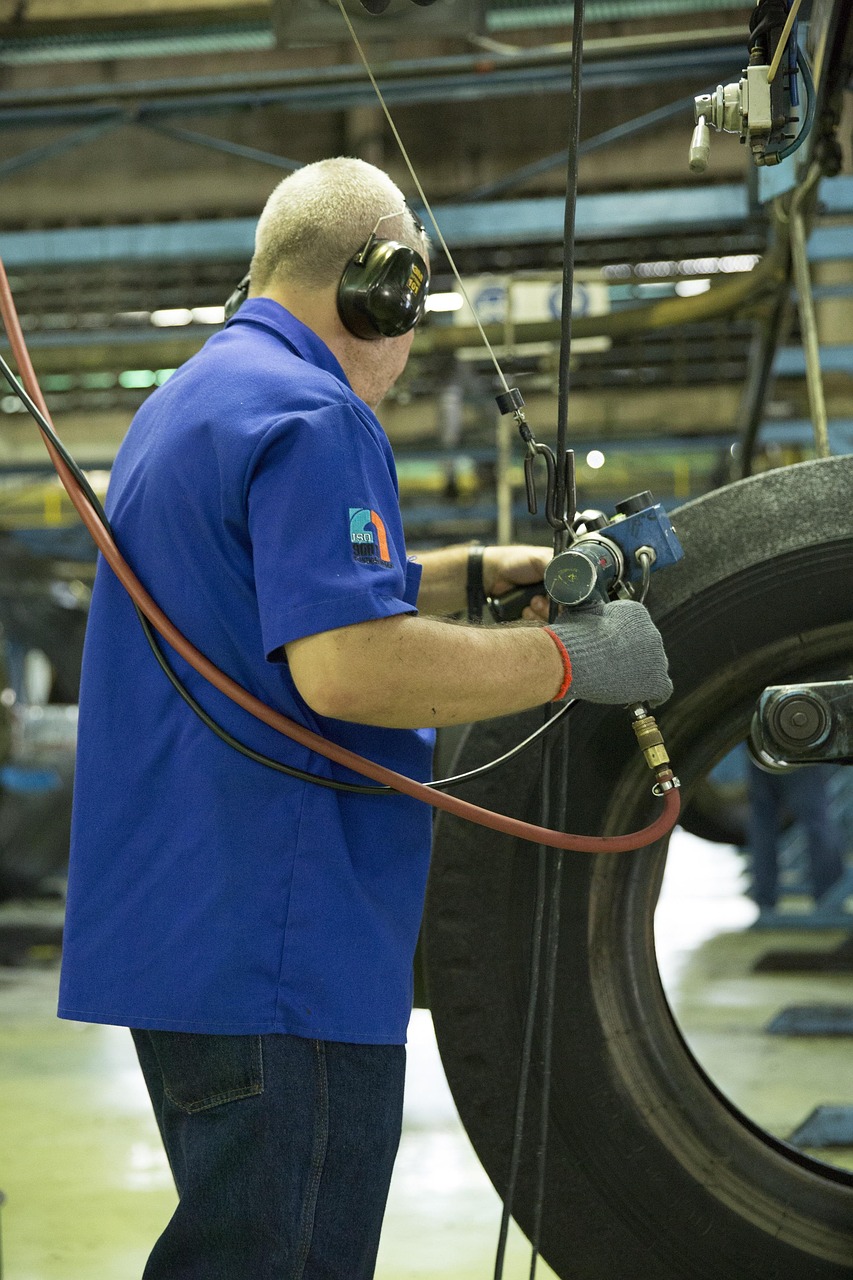
Visual inspection is a critical aspect of the techniques, particularly for bulk goods, where the goal is to ensure consistency and prevent defects before products reach the market. Historically, this process relied on human observers, but advancements in technology have revolutionized quality control. Today, manufacturers are digitizing traditional quality control processes by implementing computer vision systems, which can analyze images and videos to detect flaws with remarkable accuracy. In the automotive industry, computer vision is used to inspect welds and paint jobs, reducing the need for manual labor and increasing efficiency.
Best practices in implementing these techniques involve a structured approach. Start with process mapping, identifying key inspection points and creating a visual flowchart. This allows for a systematic review of each stage, ensuring no critical area is overlooked. Once mapped, employ Statistical Process Control (SPC) to monitor and control variables that impact quality. A food manufacturing plant can use SPC to track temperature, humidity, and production speed, correlating these factors with product quality. By analyzing trends and deviations, manufacturers can quickly identify sources of variation and take corrective actions.
Real-time quality monitoring is another powerful tool, leveraging sensors and cameras to provide immediate feedback during the production process. This data can be integrated into a cloud-based quality management software platform, enabling data-driven decision-making. A study by McKinsey (2020) found that real-time monitoring and data analytics can reduce waste by up to 30% and improve product quality by 15%. However, the future of quality control goes beyond data. Incorporating AI-driven Quality Control and Machine Learning Algorithms allows for predictive analytics, enabling manufacturers to anticipate potential issues before they occur. By learning from historical data and customer insights, these systems can adapt to changing production conditions and market demands, ensuring products consistently meet or exceed expectations. This proactive approach not only improves efficiency but also fosters brand reputation and customer satisfaction, ultimately driving repeat business and regulatory compliance for manufacturing quality.
Remember, when implementing these advanced techniques, it's essential to involve your team. Train employees to recognize and report issues, fostering a culture of quality consciousness. Give us a call at [Your Contact Information] to discuss how we can help design products with customer needs in mind, ensuring your manufacturing quality control strategies are not only effective but also aligned with market expectations.
Frequently Asked Questions About sights unseen: visual inspection techniques for bulk goods
What are visual inspection techniques used for in bulk goods? Visual inspection techniques are employed to assess the quality and condition of bulk goods without opening or disturbing the packaging. This non-destructive method allows professionals, such as logistics managers and quality control teams, to identify defects, damage, or variations in products en masse, ensuring consistency and reducing costs. These techniques are important for industries dealing with high-volume, low-margin goods.
When is a visual inspection preferable over other quality control methods? Visual inspections are particularly useful when speed and cost-effectiveness are paramount. Unlike laboratory testing, which can be time-consuming and expensive, visual assessments can be conducted quickly in-line with production or during unloading. They are ideal for high-turnover goods, where the potential for human visual assessment outweighs the benefits of more rigorous testing methods.
What types of defects can be detected through visual inspection? Visual inspectors look for a range of defects, from surface damage like scratches, dents, and cracks to more subtle issues like color variations, misalignments, or missing components. Skilled inspectors can also identify signs of moisture, contamination, or manufacturing inconsistencies that may not be apparent through other means.
What training is required for effective visual inspections of bulk goods? Effective visual inspection requires specialized training. Professionals learn to identify defects using a combination of lighting, magnification, and industry-specific knowledge. Many companies conduct in-house training sessions or utilize external experts to ensure inspectors can accurately recognize and report defects. Continuous training is essential as new products and materials enter the market.
How can technology enhance visual inspection processes? Technological advancements like high-resolution cameras, digital imaging software, and artificial intelligence (AI) are transforming visual inspection. AI-powered systems can analyze images and data to automate defect detection, improving accuracy and speed. These technologies can also help in creating digital records, facilitating traceability and quality audits.
What are the benefits of implementing a visual inspection program? Implementing a solid visual inspection program offers significant advantages, including reduced product returns, improved customer satisfaction, enhanced safety by identifying hazardous conditions early, and optimized quality control processes. It empowers businesses to maintain high-quality standards while minimizing the impact on production and distribution.
As we've explored the advanced techniques for visual inspection of bulk goods and their integration into the techniques, a few key insights stand out. Firstly, adopting standardized practices like those outlined in ISO 9001 and Six Sigma forms the bedrock of effective quality control. These methodologies encourage a culture of continuous improvement, where root cause analysis and process mapping enable teams to overcome challenges and enhance efficiency.
For bulk goods, where consistency is paramount, advanced technologies such as AI-driven quality control, robotic process automation (RPA), and computerized vision systems play a key role. These tools, coupled with cloud-based quality management software, facilitate real-time monitoring and adaptive quality control, ensuring that quality isn't just checked, but actively predicted and maintained.
The strategic implications are profound. By leveraging these the techniques, companies can not only protect their brand reputation and enhance customer satisfaction but also foster repeat business and streamline their value stream. The next step for organizations embracing these practices is to invest in training, such as Six Sigma Green Belt programs, to empower employees at all levels to contribute to the quality control process. This ensures a solid and sustainable quality management system that drives success in a competitive market.
Visual inspection is a cornerstone of the techniques, involving examining finished goods against specified requirements to reduce defects and enhance productivity. Advanced methods include real-time monitoring, predictive analytics, and machine learning, leading to 20-30% quality-related cost savings and improved customer satisfaction. Structured programs, employee training, and KPIs drive efficiency. Integrating with SPC and Computerized Vision Systems further improves accuracy and reduces waste by up to 30%. A proactive, data-driven approach with AI ensures consistent quality, fosters brand reputation, and drives repeat business.