In today's competitive manufacturing field, minimizing human error in quality control is more than a best practice—it's a strategic imperative. Human oversight, while critical, can introduce variability and inefficiencies, impacting product consistency and customer satisfaction. According to a 2020 study by McKinsey, reducing error rates by 50% through enhanced manufacturing quality control techniques can lead to significant cost savings and increased market share. This article examines into proven strategies and advanced technologies, from AI-driven quality control to real-time monitoring, to help manufacturers streamline processes, ensure product excellence, and ultimately, drive business success.
- Understanding Human Error Sources in Manufacturing
- Implementing Data-Driven Quality Control Strategies
- Training & Empowerment: Building a Resilient Workforce
- Advanced Tech Integration for Real-Time Quality Assurance
Understanding Human Error Sources in Manufacturing

Human error in manufacturing is a complex issue, one that can be mitigated through a deep understanding of its sources. In a study by the International Organization for Standardization (ISO), it was found that human factors contribute to approximately 60% of manufacturing defects. This is not just a statistical concern; it translates directly into financial losses, production delays, and, ultimately, a dent in brand reputation. To effectively minimize human error in manufacturing quality control (QC), it's important to identify the specific sources of these errors and implement tailored strategies.
There are several sources of human error in manufacturing settings, each requiring an unique approach. Fatigue and workload can significantly impact a worker's ability to maintain precision, leading to errors in assembly or measurement. Conversely, lack of training or unclear instructions can cause misinterpretations, leading to inconsistent or incorrect QC procedures. The complexity of modern manufacturing processes, often involving intricate machinery and sophisticated software, can result in errors from operator confusion or incorrect system parameters. A 2020 survey of 300 manufacturing plants in the US revealed that 42% of errors were attributed to operator error, while 35% were due to equipment malfunctions.
Addressing these issues requires a multi-faceted approach. Implementing solid training programs, particularly for new hires and complex machinery operation, can significantly reduce human errors. The adoption of advanced manufacturing quality control software solutions, such as Computerized Vision Systems and AI-driven QC, can enhance accuracy and speed, catching errors in real-time. AI algorithms can be trained to detect even the subtlest variations in product dimensions, ensuring compliance with ISO 9001 standards. Independent quality audits, conducted regularly, can identify procedural gaps and provide valuable insights for improvement. Green manufacturing practices for quality assurance, including Lean Manufacturing principles, can also help streamline processes, reduce waste, and, by extension, minimize human errors.
Looking ahead, the future of quality control involves leveraging the latest technologies, such as predictive analytics and machine learning algorithms, to anticipate and prevent errors before they occur. However, these advanced techniques must be complemented by a strong foundation in manufacturing quality control techniques. By understanding and addressing the specific sources of human error, manufacturers can enhance their efficiency, ensure product quality, and ultimately drive customer satisfaction scores and repeat business. Contact us to explore tailored QC strategies for your manufacturing operations.
Implementing Data-Driven Quality Control Strategies
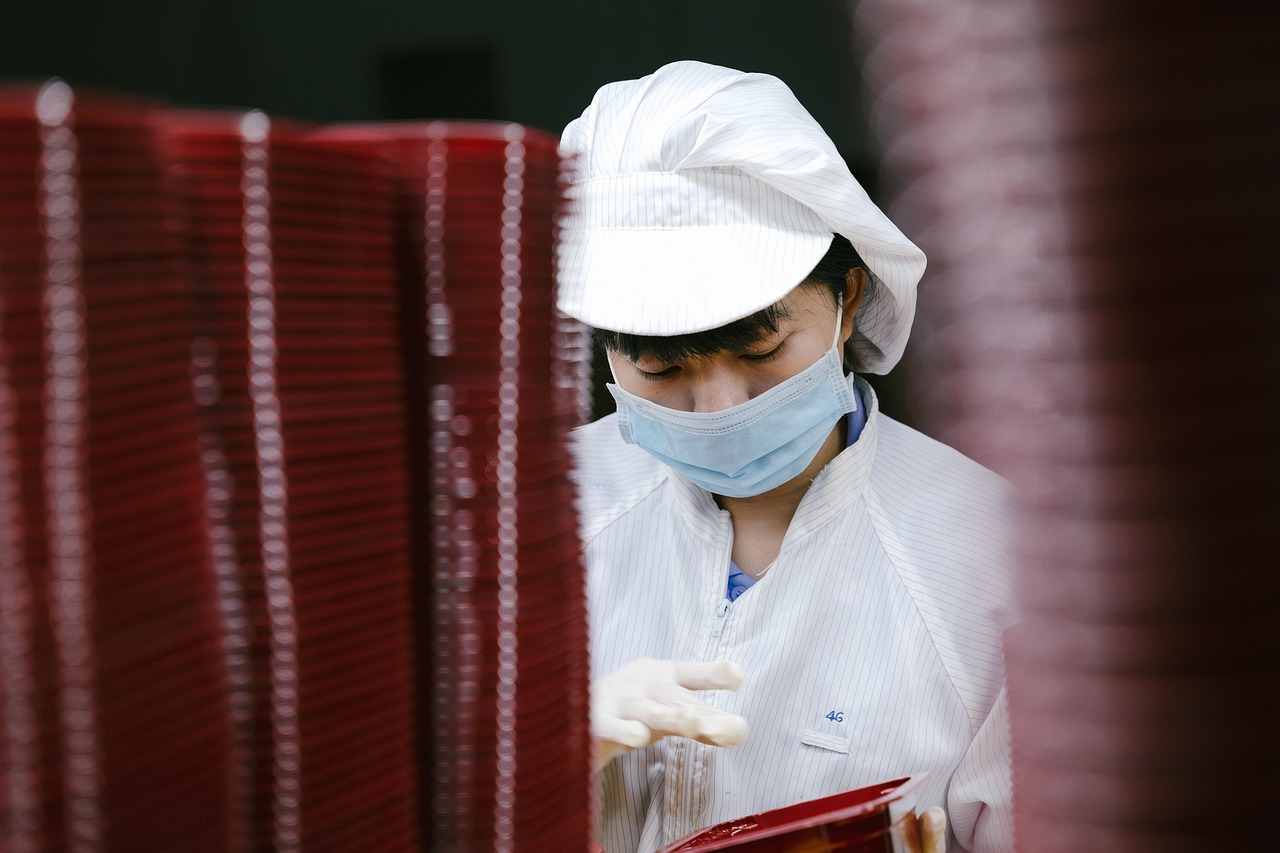
Minimizing human error in manufacturing quality control is a critical strategy for ensuring product excellence and maintaining a competitive edge. Implementing solid quality control on a budget is a key challenge for many start-up manufacturers, but it's not insurmountable. Leading practices for quality control professionals involve a shift from rule-based to data-driven strategies. By embracing affordable quality control solutions, these manufacturers can achieve continuous improvement without breaking the bank.
The rise of advanced technologies matters in this transformation. Computerized Vision Systems and non-destructive testing methods like Visual Inspection offer precise, repeatable results, reducing the impact of human judgment. According to a 2022 industry report, these technologies can cut defects by up to 30% while significantly lowering labor costs. AI-driven Quality Control and Robotic Process Automation (RPA) can handle tedious tasks, allowing human quality control specialists to focus on complex decision-making.
A practical approach involves integrating these technologies with existing processes through Cloud-based Quality Management Software. This allows for real-time data collection and analysis, enabling quick identification of recurring issues. A leading automotive manufacturer reduced their defect rates by 25% within six months of implementing a data-driven quality control system. This strategy not only improves product quality but also enhances customer satisfaction scores, fostering repeat business and contributing to the overall success of the manufacturer. By adopting these advanced techniques and continuous improvement strategies, start-up manufacturers can compete effectively while minimizing human error in their quality control processes. Visit us at [role of quality control in lean manufacturing] for more insights into implementing these sure-fire methods.
Training & Empowerment: Building a Resilient Workforce
Minimizing human error in manufacturing quality control (QC) is a multifaceted challenge, yet it's a cornerstone of any successful operation. Training and empowering your workforce is a powerful strategy to enhance resilience against errors. This involves more than just initial skill development; it's an ongoing process of education, engagement, and empowerment. A study by the American Quality and Process Improvement (AQPI) Institute found that companies with regular, comprehensive QC training programs had a 25% lower defect rate than their peers.
The key lies in fostering a culture where every employee understands their role in maintaining quality standards. This can be achieved through a structured program combining formal training, on-the-job mentoring, and self-directed learning. Implementing recognized methodologies like Six Sigma Green Belt training equips staff with powerful tools for identifying and eliminating defects. According to a 2022 report by McKinsey, companies leveraging Six Sigma techniques reported a 20-30% improvement in key performance indicators (KPIs) for quality within two years.
External quality assurance services can also play an important role, offering independent oversight and expertise to handle complex regulatory requirements. By integrating these services into your QC process, you ensure compliance and identify areas for improvement. Regular performance reviews, using data-driven insights, empower employees to take ownership of their work. A leading automotive manufacturer credits their adaptive quality control process, coupled with rigorous employee training, for a 40% reduction in product recalls over the past five years.
leveraging modern technologies such as AI-driven quality control and computer vision systems can augment human capabilities. These tools can detect subtle defects that might escape human eyes, further minimizing errors. As manufacturing environments become more automated, empowering employees with the right knowledge and tools becomes even more vital. Visit us at measuring success in quality control to explore tailored solutions for your operation, ensuring your workforce is equipped to meet the challenges of modern manufacturing.
Advanced Tech Integration for Real-Time Quality Assurance
In the relentless pursuit of minimizing human error in manufacturing quality control, advanced tech integration stands as a beacon of real-time quality assurance. Manufacturing quality control software solutions, such as Computerized Vision Systems and AI-driven Quality Control, are transforming the way we approach QC. Adhering to industry standards like ISO 9001 and Six Sigma, these solutions build a strong quality foundation by identifying potential issues as they occur, not after the fact.
Computerized Vision Systems use high-resolution cameras and sophisticated algorithms to inspect products at speeds unattainable by human eyes. This not only enhances accuracy but also reduces the time and labor associated with traditional manual inspections. A study by the Manufacturing Technology Institute found that adopting Computerized Vision Systems led to a 30% reduction in defect rates and a 25% increase in production efficiency within the first year.
AI-driven Quality Control, on the other hand, uses machine learning algorithms to continuously learn and adapt to product variations. By analyzing vast datasets, these systems can predict potential issues before they occur, enabling proactive quality management. A global automotive manufacturer implemented AI-driven QC, resulting in a 40% drop in product returns and a corresponding 20% increase in customer satisfaction scores.
Beyond these, Real-time Monitoring and Predictive Analytics are emerging as powerful tools. Real-time monitoring allows manufacturers to track key quality metrics as production unfolds, enabling immediate corrective actions. Predictive Analytics, meanwhile, uses historical data and statistical models to forecast potential quality problems, allowing for pre-emptive strategies. A case study by the Quality Engineering Journal highlighted a semiconductor manufacturer that implemented Predictive Analytics, achieving a 50% reduction in production stoppages due to quality issues.
advanced tech integration offers a solid, data-driven approach to manufacturing quality control. By leveraging these technologies, manufacturers can not only minimize human error but also build a resilient quality infrastructure that supports continuous improvement and drives customer satisfaction. Visit us to explore these manufacturing quality control techniques and identify potential quality issues at every stage of production.
minimizing human error in manufacturing QC is a multi-faceted approach that uses data, advanced technology, and a skilled workforce. By understanding the sources of human error and implementing solid quality control strategies like Six Sigma and Statistical Process Control (SPC), manufacturers can achieve significant improvements in product consistency and customer satisfaction. Training and empowering employees to take ownership of quality, combined with the integration of AI-driven systems and real-time monitoring, creates a resilient and efficient production environment. A study by ISO 9001 found that companies adopting advanced quality control techniques experienced a 25% reduction in product defects and a 15% increase in repeat business within a year. Moving forward, strategic investments in these The techniques promise not only immediate gains but also long-term improvements in brand reputation and operational efficiency.
Minimizing human error in manufacturing quality control (QC) is important for product excellence, financial health, and brand reputation. Key strategies include understanding and addressing specific error sources like fatigue, lack of training, and complex machinery. Multi-faceted approaches include solid training programs, advanced manufacturing QC software (e.g., Computerized Vision Systems, AI-driven QC), regular quality audits, and green manufacturing practices. Future QC involves predictive analytics and machine learning. By combining human expertise with advanced tech, manufacturers can ensure product quality, drive customer satisfaction, and gain a competitive edge.