
In today's competitive manufacturing field, high-quality products are non-negotiable. Yet, traditional quality control methods are often labor-intensive, time-consuming, and prone to human error. This presents a significant challenge for manufacturers aiming to maintain consistency, efficiency, and customer satisfaction. Implementing AI in manufacturing quality control techniques emerges as a major improvement, offering unprecedented precision, speed, and adaptability. This article examines into the major potential of AI-driven quality control, exploring advanced technologies, best practices, and strategic considerations to help manufacturers stay ahead in a data-driven world. By the end, you'll understand why AI is not just a trend but a critical tool for achieving excellence in modern production.
- Understanding AI's Role in Revolutionizing Manufacturing Quality Control Techniques
- Choosing the Right AI Tools for Your Quality Control Process
- Integrating AI: Strategies for Smooth Implementation in Existing Systems
- Measuring Success: Evaluating AI's Impact on Manufacturing Quality Control Techniques
Choosing the Right AI Tools for Your Quality Control Process
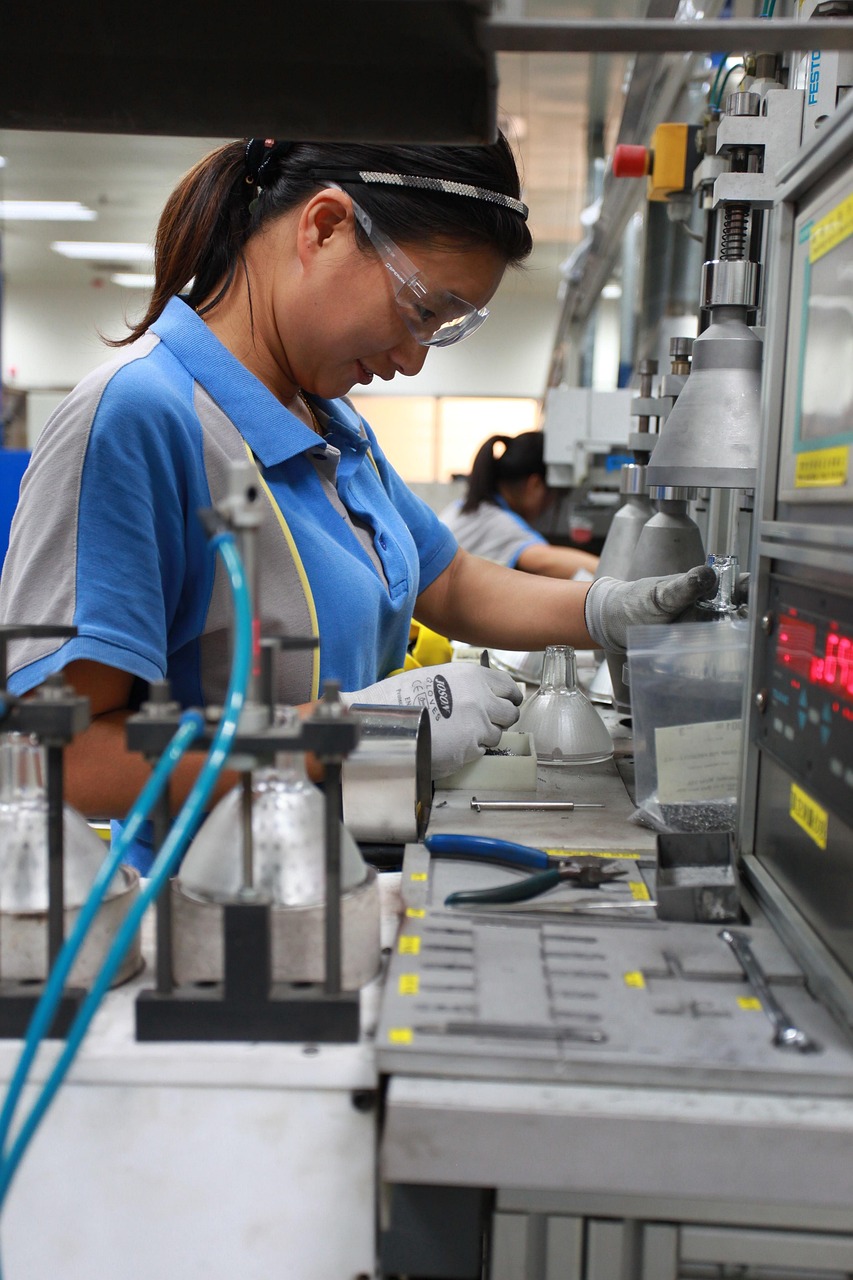
Implementing AI in manufacturing quality control is a strategic move that can revolutionize how businesses ensure product excellence. When selecting AI tools for this process, manufacturers must consider their unique needs and the specific challenges they aim to address. This involves a careful balance between leveraging advanced technologies and adopting a risk-averse approach to minimize potential setbacks.
The first step is to identify the pain points in your current quality control process. Is there a need for more real-time monitoring? Are visual inspection flaws prevalent? Or do you require predictive analytics to anticipate quality failures before they occur? A third-party audit of a car manufacturing plant might reveal that defects in engine components are a recurring issue, prompting the implementation of AI-driven quality control systems focused on predictive maintenance and adaptive quality control measures. A 2022 study by McKinsey & Company found that AI-enabled quality control processes can lead to a 15–25% reduction in product defects, indicating the potential for significant returns on investment.
Choosing the right AI tools involves considering the type of data you collect and the tasks you want to automate. Computerized vision systems, for example, excel at detecting defects in complex visual patterns, while AI-driven statistical process control (SPC) can analyze data to identify trends and predict potential issues. Cloud-based quality management software platforms integrate AI capabilities, offering centralized data storage, real-time analytics, and collaborative features. These tools not only streamline documentation and records but also enable proactive measures by providing early insights into potential quality issues.
To ensure a successful implementation, manufacturers should consider engaging a reputable third-party auditor to assess their quality control processes and recommend suitable AI solutions. This step is important for minimizing risks, as an independent perspective can identify blind spots or inefficiencies. Maintaining thorough quality control documentation and records is essential for tracking AI performance, ensuring regulatory compliance, and facilitating continuous improvement. By adopting these strategic considerations, manufacturers can use the power of AI to raise their the service, ultimately enhancing brand reputation and fostering customer satisfaction. Find us at navigating quality challenges early, offering expert guidance to help businesses thrive in a data-driven world.
Measuring Success: Evaluating AI's Impact on The service
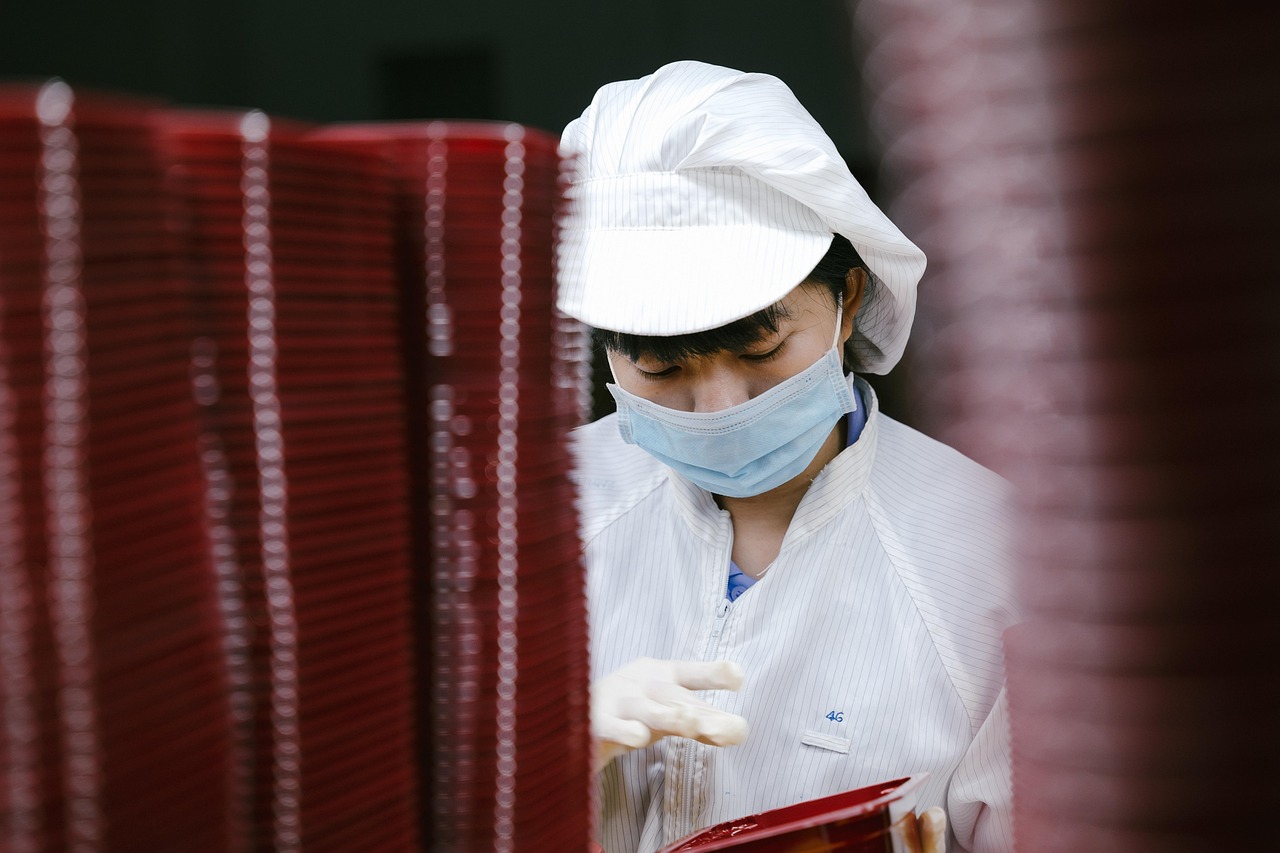
In the rapidly evolving field of manufacturing, the implementation of Artificial Intelligence (AI) in quality control has emerged as a game changer, revolutionizing traditional The service. Evaluating the success of this integration is paramount, not just for justifying quality control investments, but for driving continuous improvement and ensuring superior product quality. The impact of AI can be profound, from enhancing efficiency to identifying potential quality issues at an early stage.
Measuring success involves a multi-faceted approach, especially in a complex industry where process capability analysis is key. By understanding the variability and performance of a process, we can better assess the value added by AI. A study by McKinsey in 2022 found that AI-driven quality control systems can reduce defect rates by up to 30% and improve production efficiency by 15%. This significant improvement is achieved through real-time monitoring and predictive analytics, allowing manufacturers to adapt quickly to changes in process capability. A leading automotive manufacturer implemented AI-powered visual inspection, resulting in a 20% decrease in scrap rates and a corresponding increase in customer satisfaction scores.
Standard Operating Procedures (SOPs) for quality control must evolve to accommodate AI. This includes not only integrating AI algorithms into the quality control process map but also defining clear roles and responsibilities for human-AI collaboration. A Six Sigma Green Belt might oversee an AI system that analyzes data from sensors and cameras, flagging anomalies for human review. This hybrid approach uses the strengths of both AI and human expertise. Regular process mapping and root cause analysis (RCA) are essential to ensure the AI system remains aligned with the organization's quality objectives. By adhering to these practices, manufacturers can not only maximize the benefits of AI in quality control but also maintain a solid and adaptable quality management system.
Looking ahead, understanding the impact of AI on The service requires a forward-thinking perspective. The integration of AI is not just about current gains; it's about preparing for future challenges and opportunities. Adaptive quality control, where AI algorithms learn and adapt based on process changes, is poised to become the norm. This proactive approach, combined with predictive analytics, could enable manufacturers to anticipate and prevent quality issues before they occur, thereby enhancing their brand reputation and fostering repeat business. As AI technology continues to evolve, manufacturers who effectively measure, understand, and adapt to its impact will be the ones leading the charge in quality control innovation.
Frequently Asked Questions About game changer: implementing AI in quality control
**What is the potential impact of AI on quality control processes?
AI has the power to revolutionize quality control by significantly enhancing efficiency and accuracy. It can automate repetitive tasks, such as data entry and image analysis, freeing up human resources to focus on more complex inspections. AI algorithms can detect subtle defects that might be missed by the human eye, leading to improved product quality and reduced waste. According to a McKinsey report (2022), AI can increase quality control efficiency by up to 40%.
**How does AI improve the speed and accuracy of quality inspections?
AI uses machine learning to analyze vast datasets and learn from patterns. It can be trained to recognize defects in products, ensuring consistency across inspections. Computer vision algorithms enable AI to process images and videos at high speeds, identifying issues like cracks, scratches, or misalignments. This capability has been successfully demonstrated in the automotive industry, where AI systems can inspect cars at speeds up to 30% faster than human inspectors without sacrificing accuracy.
**Can AI be integrated with existing quality control systems?
Absolutely. AI can be smoothly integrated with current quality control infrastructure. Many AI solutions are designed to work alongside traditional systems, leveraging existing data and hardware. AI-powered cameras can be added to existing production lines, providing real-time feedback to human workers. This incremental approach minimizes disruption and allows for a smoother transition to AI-driven quality control.
**What industries are benefiting most from AI in quality control?
AI is making a significant impact across various sectors, but some of the most notable gains are in manufacturing, electronics, and pharmaceuticals. In manufacturing, AI is used for automated visual inspection of products, ensuring precision in complex assembly processes. The electronics industry uses AI for defect detection in semiconductor production, important for maintaining high-quality components. In pharmaceuticals, AI streamlines quality control by analyzing product images and data, helping to meet stringent regulatory standards.
**How can AI contribute to reducing costs in quality control?
By automating time-consuming tasks and improving inspection speed, AI leads to substantial cost savings. It minimizes the need for extensive manual labor, reducing wage costs. AI's ability to detect defects early in the production process prevents the production of substandard goods, lowering scrap and rework expenses. A case study by Deloitte (2021) showed that AI implementation in quality control resulted in a 25% reduction in operational costs for a leading consumer goods manufacturer.
Implementing AI in the service is a major improvement, offering unprecedented precision and efficiency. By leveraging AI-driven quality control, Robotic Process Automation (RPA), and Cloud-based software, manufacturers can achieve a new level of accuracy and productivity. The article has explored various advanced techniques, such as real-time monitoring, predictive analytics, and Machine Learning algorithms, demonstrating their effectiveness in identifying defects, improving processes, and enhancing overall quality.
Choosing the right AI tools involves understanding specific needs, from Statistical Process Control (SPC) for data analysis to Computerized Vision Systems for visual inspection. Six Sigma methodologies, like Green Belt training, equip teams to implement these tools effectively. By integrating AI smoothly, manufacturers can transform existing systems, ensuring a smooth transition and minimal disruption to operations.
Measuring success in AI-driven quality control requires a strategic approach. Mapping the quality control process and conducting Root Cause Analysis (RCA) help identify areas for improvement. Customer Satisfaction Scores and repeat business are tangible indicators of success, showing the impact on brand reputation and overall business performance.
AI offers a powerful means to optimize the service, leading to leaner, more efficient, and ultimately, more profitable operations. The next steps for manufacturers are clear: embrace these advanced techniques, invest in training, and use technology to achieve unparalleled quality standards.