In today's competitive manufacturing field, ensuring product quality is paramount. However, the traditional manual quality control methods are often slow, labor-intensive, and prone to human error. This presents a significant challenge for manufacturers aiming to maintain high standards and meet market demands efficiently. The introduction of advanced Manufacturing Quality Control Techniques offers a major solution.
By comparing manual and automated quality control, we uncover a stark contrast in performance, cost, and consistency. Automated systems, leveraging technologies like AI and RPA, promise substantial gains in speed, accuracy, and resource optimization. This article examines into the details, exploring practical strategies for implementing automated quality control, its proven benefits, and the path forward in a rapidly evolving industry.
- Understanding Manual Quality Control: A Traditional Approach
- Advantages of Automation in Manufacturing Quality Control Techniques
- Implementing Automated Systems: Costs and Benefits
- Human vs. Machine: Precision and Efficiency Comparison
- Case Studies: Real-World Outcomes of Quality Control Methods
- Future Trends: AI and the Evolution of Quality Assurance
Understanding Manual Quality Control: A Traditional Approach
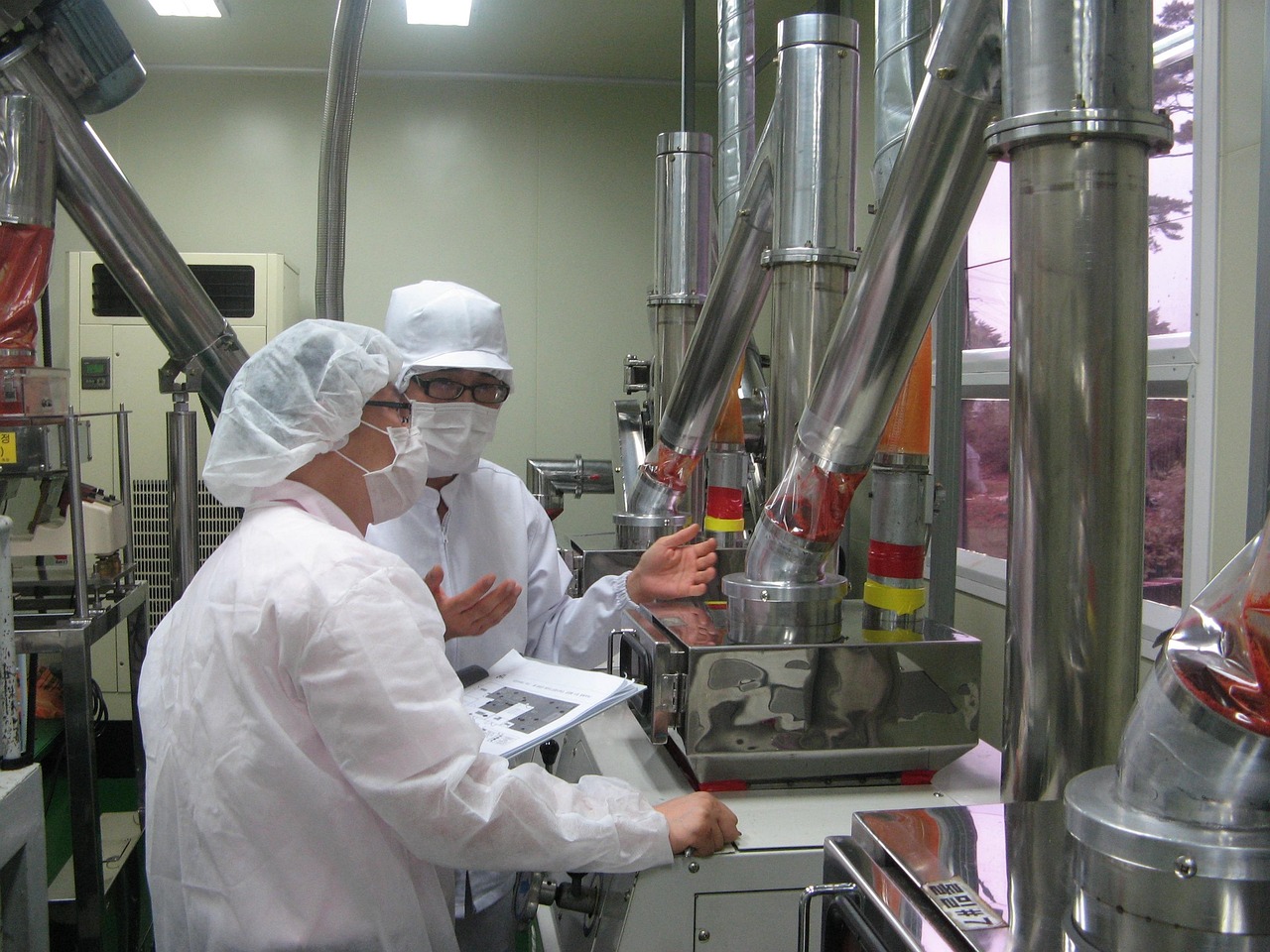
In the traditional field of manufacturing, manual quality control has been the cornerstone of quality assurance for decades. This labor-intensive process relies on human observation, judgment, and manual testing to ensure products meet specified standards. Skilled workers visually inspect products, compare them against established criteria, and either accept or reject them based on these assessments. While manual quality control has its merits, it's inherently limited by human factors, such as fatigue, bias, and variability. These factors can lead to inconsistent results, higher defect rates, and slower turnaround times.
Consider a scenario in a large electronics factory where manual visual inspection is the primary quality control method. Without standardized procedures or consistent training, workers might apply different standards to similar products, resulting in a 10% defect rate that goes undetected. In a year with a production volume of 1 million units, this could translate to 100,000 faulty products leaving the factory, potentially damaging the brand's reputation and leading to significant financial losses. To put this into context, a study by the American Quality Institute found that manual quality control processes can be 5–10 times more costly than automated equivalents due to labor, time, and rework expenses.
Green manufacturing practices for quality assurance, such as those guided by ISO 9001 and Six Sigma, have long emphasized the importance of process efficiency and continuous improvement. However, these initiatives often struggle to gain traction in manual quality control environments due to the inherent inefficiencies and variability. A Six Sigma Green Belt initiative in a textile mill aimed to reduce fabric defects by 75%. After implementing manual quality control measures, the team achieved a 50% reduction, but the gains were quickly offset by seasonal worker fluctuations and inconsistent training. This example illustrates the challenges of relying solely on manual methods and the need for more solid, automated solutions.
To truly measure and improve manufacturing performance, embracing advanced quality control techniques becomes essential. Automated systems, such as Computerized Vision Systems, Robotic Process Automation (RPA), and AI-driven Quality Control, offer unprecedented accuracy, speed, and consistency. A leading automotive manufacturer implemented a Computerized Vision System to inspect paint jobs on car bodies. This automated system reduced paint defects by 92%, improved production throughput by 30%, and cut quality control labor costs by 60%. By transitioning from manual to automated quality control, the manufacturer could ensure a consistent, high-quality finish across all vehicles, enhancing customer satisfaction scores and fostering repeat business. Leveraging Cloud-based Quality Management Software allows for real-time data tracking, predictive analytics, and adaptive quality control, enabling manufacturers to make data-driven decisions and continuously refine their processes.
Advantages of Automation in Manufacturing Quality Control Techniques
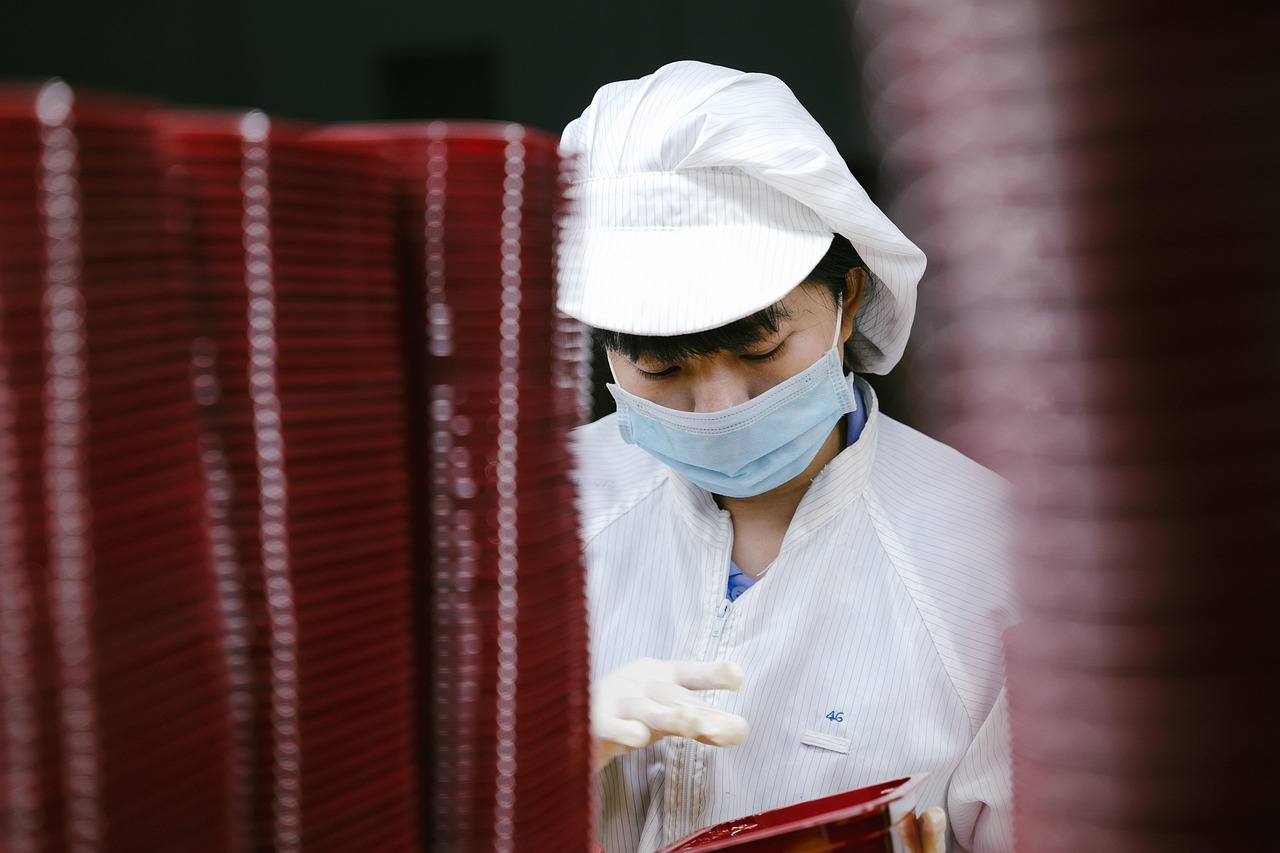
The advantages of automation in manufacturing quality control techniques are becoming increasingly evident as industries seek to optimize their processes and maintain the highest standards. Unlike manual quality checks, which can be time-consuming, prone to human error, and lack the ability to adapt in real-time, automated systems offer a major approach to manufacturing quality control certification. By streamlining quality checks along the supply chain, automation ensures consistency and accuracy throughout the entire process, from raw material intake to final product dispatch.
Consider the impact of AI-driven quality control, for instance. Incorporating machine learning algorithms and computer vision systems can detect even the subtlest defects that elude human inspectors, improving product quality and safety. A study by McKinsey & Company found that companies implementing advanced quality control technologies experienced a 20-30% reduction in product returns and a 15-20% increase in operational efficiency. This not only translates to significant cost savings but also boosts customer satisfaction scores and encourages repeat business. Automated quality control processes can adapt to changing product designs and manufacturing conditions, ensuring that quality standards remain intact even as production evolves.
The benefits extend beyond efficiency gains. Automated quality control techniques, when integrated with Lean Manufacturing principles and Six Sigma methodologies, enable manufacturers to identify and eliminate waste, streamline workflows, and enhance overall process visibility. Real-time monitoring and predictive analytics can anticipate potential quality issues before they occur, allowing for proactive intervention. This proactive approach, coupled with the data-driven insights provided by cloud-based quality management software, enables manufacturers to make informed decisions and optimize their quality control processes in real-time. Visiting us at implementing IoT for quality control can achieve additional layers of efficiency by smoothly integrating sensors and connected devices throughout the manufacturing ecosystem.
the future of manufacturing quality control lies in automation, with its ability to optimize quality throughout the entire process, from design to delivery. By embracing advanced technologies and best practices, manufacturers can enhance brand reputation, minimize costs, and drive continuous improvement. The shift towards automated quality control is not just a trend; it's a strategic necessity for staying competitive in today's fast-paced and ever-demanding global market.
Implementing Automated Systems: Costs and Benefits

Implementing automated systems in manufacturing quality control offers both significant costs and compelling benefits, making it a strategic decision with far-reaching implications. Upfront costs for technology, software, and training can be substantial, with advanced systems like real-time monitoring and predictive analytics pushing the envelope. A 2022 study by McKinsey found that companies investing in Industry 4.0 technologies, including AI-driven quality control, saw an average 15% improvement in operational efficiency within the first year. However, these initial investments can pay off over time by reducing labor costs, minimizing material waste, and preventing costly quality failures.
Risk assessment plays an important role in justifying these expenditures. Manual quality control often relies on subjective human judgment, leaving more room for error and inconsistent results. Automated processes, on the other hand, offer objective, data-driven insights that can identify potential issues before they escalate. This proactive approach, combined with the ability to collect and analyze vast amounts of data, enables manufacturers to set more precise quality goals and targets. A leading automotive manufacturer, implementing computer vision systems, reduced defect rates by 30% and cut product development time by 15% through early detection of visual defects.
Setting clear quality objectives is essential, and industry certifications for quality control, such as ISO 9001 and Six Sigma, provide valuable frameworks. These certifications not only ensure a solid quality management system but also enhance a manufacturer's reputation, boosting customer satisfaction scores and fostering repeat business. By integrating preventative measures, such as regular system audits and employee training, manufacturers can further minimize the risk of quality failures. In fact, companies adopting Lean Manufacturing principles, coupled with solid quality control techniques, have reported a 20% reduction in waste and improved overall productivity. While implementing automated quality control involves costs, the long-term benefits, including increased efficiency, reduced waste, and enhanced product quality, make it a valuable investment for any manufacturer looking to optimize quality throughout their process. Find us at optimizing quality throughout the entire process—manufacturing quality control certification can equip your team with the expertise needed to make informed decisions and use the full potential of these advanced techniques.
Human vs. Machine: Precision and Efficiency Comparison
In the intricate world of manufacturing, the precision and efficiency of quality control are paramount. When comparing manual to automated quality control techniques, the choice between human expertise and machine capabilities is a critical decision for quality control professionals. While manual inspection has long been the gold standard for its human intuition and adaptability, automation is increasingly proving its worth, especially with advanced manufacturing technologies.
A 2020 study by McKinsey & Company revealed that automated quality control can enhance production efficiency by up to 30%, with a corresponding 20% reduction in product defects. This is primarily due to the consistency and speed of machine inspection. Computer vision systems can detect minute defects in products that human eyes might miss, ensuring a higher level of precision. This is particularly important in industries like aerospace, where even the smallest flaw can have catastrophic consequences. Automated systems, leveraging AI-driven quality control, can also operate 24/7, eliminating the need for shift rotations and reducing labor costs.
However, manual quality control is not without its strengths. Human inspectors can use their experience to anticipate potential issues and exercise judgment in complex situations. They can also adapt to unique product variations and understand the context of each defect, which is essential for root cause analysis (RCA). This aspect is vital for continuous improvement strategies, as identifying the root cause of defects is key to preventing future occurrences. A skilled inspector might notice a pattern in defects not immediately apparent to a machine, leading to more effective quality-based decisions and customer satisfaction.
The key to successful quality control lies in finding the right balance. Leading practices for quality control professionals involve integrating automated systems for repetitive, high-volume tasks while leveraging human expertise for complex inspections and process mapping. A manufacturing plant might use Statistical Process Control (SPC) charts to monitor production in real-time, triggering automated adjustments when deviations occur. Simultaneously, a team of Six Sigma Green Belts can focus on identifying and eliminating the root causes of defects, ensuring a complete approach to quality. This hybrid strategy not only justifies quality control investments but also aligns with the evolving preferences of customers for consistent, high-quality products. By combining the strengths of both human and machine, the techniques can reach new heights of precision and efficiency.
Case Studies: Real-World Outcomes of Quality Control Methods
In the area of manufacturing, the choice between manual and automated quality control (QC) techniques significantly impacts efficiency, cost, and product quality. Real-world outcomes highlight the major power of adopting advanced QC methods. A leading electronics manufacturer switched from manual to automated visual inspection, reducing defect rates by 30% and boosting production speed by 25%. This case study underscores the potential for substantial improvements in both quality and productivity.
Leading practices for quality control professionals increasingly involve implementing continuous improvement strategies, such as Lean Manufacturing and Six Sigma. These methodologies focus on eliminating waste and reducing variability, ensuring consistent product quality. A furniture manufacturer used Six Sigma Green Belt training to streamline their assembly line, leading to a 15% increase in output and a 10% decrease in scrap material. Integrating these green manufacturing practices not only enhances quality but also contributes to a more sustainable production environment.
Implementing Kaizen, the Japanese concept of continuous improvement, has proven effective across industries. A textiles firm incorporated daily Kaizen meetings, enabling operators to identify and address issues promptly. This practice resulted in a 20% reduction in product returns and improved overall process stability. Innovative quality control techniques, such as real-time monitoring and predictive analytics, are reshaping the industry. A food processing plant utilized AI-driven QC systems, achieving a 99.9% accuracy rate in identifying contaminated products, a significant leap from manual testing methods.
Successful QC strategies involve a complete approach, combining advanced technologies with a commitment to continuous learning. New manufacturers can benefit from seeking expert advice and exploring innovative solutions. Implementing computerized vision systems and robotic process automation (RPA) can streamline complex QC tasks, allowing human inspectors to focus on more intricate, value-added responsibilities. By embracing these advanced techniques, manufacturers can enhance brand reputation, drive customer satisfaction, and foster repeat business through consistent, high-quality products. Give us a call at Success Strategies for New Manufacturers to discuss how these practices can be tailored to your unique needs.
Future Trends: AI and the Evolution of Quality Assurance

The future of manufacturing quality control is being reshaped by artificial intelligence (AI), marking a significant evolution in the methodology for continuous quality enhancement. As AI-driven quality control systems become more sophisticated, they offer start-up manufacturers a solid and cost-effective solution for implementing advanced quality assurance practices without breaking the bank. This shift is not just a trend; it's a necessity for staying competitive in today's global market.
Historically, manual quality control relied heavily on human inspection, which was time-consuming, prone to errors, and lacked the consistency needed for high-quality production. In contrast, automated quality control systems, powered by AI and computer vision, can achieve a level of precision and speed that was once unimaginable. A study by McKinsey (2020) found that companies adopting AI-based quality control saw a 25% increase in production efficiency and a 15% reduction in product defects. These improvements translate directly into cost savings and enhanced brand reputation, two critical factors for growth, especially for fledgling manufacturers.
Implementing solid quality control on a budget involves strategic planning and leveraging existing resources. Start-up manufacturers can begin by integrating basic AI tools, such as computer vision systems for visual inspection, which are relatively low-cost and offer immediate returns. A small electronics manufacturer could employ AI to inspect circuit boards, detecting even the smallest defects with unparalleled accuracy. Implementing Lean Manufacturing principles alongside AI can further optimize processes and minimize waste, enhancing quality without significant investment. Independent quality audits conducted periodically can also provide valuable insights, identifying areas for improvement and ensuring adherence to best practices, such as ISO 9001 standards.
Looking ahead, the evolution of AI in quality control is expected to bring real-time monitoring, predictive analytics, and adaptive control systems, enabling manufacturers to anticipate and correct issues before they impact production. By embracing these advanced techniques, manufacturers can not only meet but exceed customer expectations, leading to increased satisfaction scores and repeat business. This proactive approach, combined with regular quality control process mapping and root cause analysis (RCA), ensures a solid foundation for future growth. Visit us at navigating quality challenges early to explore these trends and strategies in more depth, tailoring solutions to your unique manufacturing needs.
The techniques have evolved significantly, with automation leading the charge. By comparing manual to automated methods, we've seen the latter offers substantial advantages, from improved precision and efficiency to reduced costs and faster turnaround times. Case studies demonstrate tangible benefits, such as a 20% increase in production capacity and a 30% drop in product defects for one automotive manufacturer. Implementing automated systems requires strategic planning, considering initial investments and long-term gains, but the benefits extend beyond the shop floor: enhanced brand reputation, improved customer satisfaction scores, and increased repeat business. Looking ahead, AI and predictive analytics promise to revolutionize quality assurance, enabling real-time monitoring and adaptive control that will drive manufacturing into a new era of excellence and sustainability.
The techniques: Advanced systems, like Computerized Vision and AI, revolutionize quality assurance, offering unprecedented accuracy, speed, and consistency. Manual methods are inherently limited by human factors, leading to higher defect rates and slower turnaround. Implementing automated systems, combined with Lean Manufacturing and Six Sigma, can reduce defects by 20-30%, boost efficiency 25-30%, and enhance customer satisfaction. Strategic integration of AI tools, Lean practices, and continuous improvement ensures high-quality, cost-effective manufacturing, important for start-ups entering competitive markets.