Manufacturing Quality Control Techniques are undergoing a significant evolution as companies strive for efficiency and excellence. The current field demands a shift from traditional methods to leaner, more agile practices. The problem lies in the inefficiency and latency of many established quality control (QC) processes, often leading to costly defects and production delays.
Lean manufacturing principles offer a solution by focusing on eliminating waste and streamlining processes. By implementing these principles in QC, manufacturers can achieve remarkable results, including reduced lead times, improved product quality, and enhanced customer satisfaction. This article explores practical strategies and case studies to revolutionize production through the adoption of lean principles in QC.
- Identify Waste: Understand Lean's Foundation in QC
- Streamline Processes: Implement Lean Tools in Manufacturing
- Data-Driven Decisions: Analyze for Continuous Improvement
- Visualize Workflow: Map and Optimize for Quality
- Empower Employees: Foster a Culture of Quality Ownership
- Measure Success: Track KPIs for Lean Manufacturing Quality Control
Identify Waste: Understand Lean's Foundation in QC
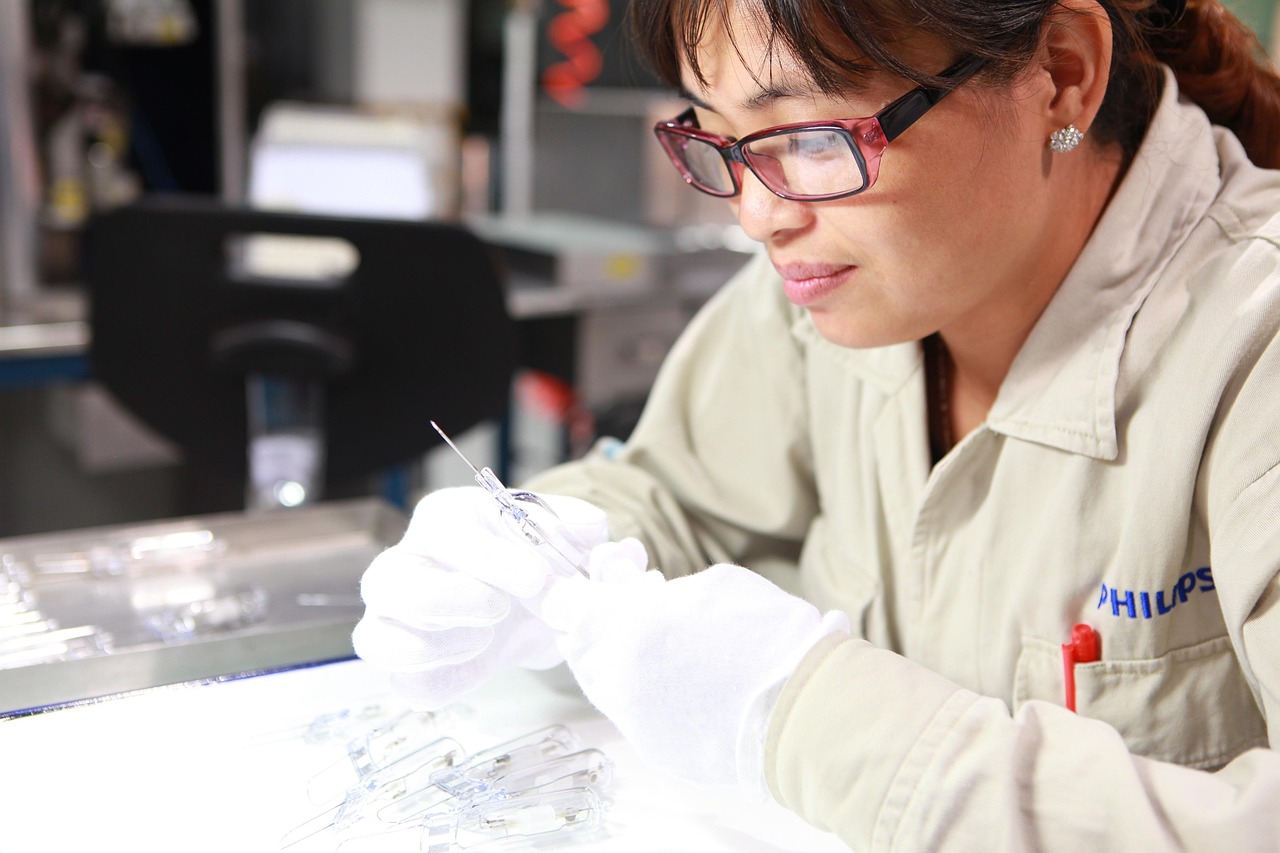
Identifying waste is a cornerstone of lean manufacturing principles, and when applied to manufacturing quality control techniques (QC), it can revolutionize the entire production process. At its core, lean is about eliminating non-value-added steps and maximizing customer value. In QC, this means focusing on processes that directly impact product quality and customer satisfaction, while streamlining or eliminating those that don't. Consider a manufacturing floor where products pass through multiple stations for visual inspection. Traditional QC might involve random sampling for defects, but a lean approach would focus on ensuring each station is optimized for defect prevention, reducing the need for extensive sampling.
Smart sensors for quality assurance play a significant role here. These sensors can continuously monitor product parameters in real-time, flagging issues as they occur. By integrating these data-driven insights into standard operating procedures (SOPs) for QC, manufacturers can quickly pinpoint problem areas and implement corrections. A temperature sensor in a molding machine could trigger an alarm if the temperature deviates from the set point, indicating a potential quality issue before it affects the final product. This proactive approach contrasts with traditional QC methods that often rely on post-production testing, leading to delays and increased waste.
Green manufacturing practices further enhance lean QC by promoting environmentally conscious production. This involves using eco-friendly materials, reducing energy consumption, and minimizing waste generation. A company might invest in advanced packaging materials that reduce the overall environmental impact while maintaining product integrity. By aligning QC techniques with sustainability goals, manufacturers can achieve both high-quality products and environmental stewardship. A case study from a leading electronics manufacturer showed a 25% reduction in post-production scrap after implementing lean and green QC practices, demonstrating the dual benefits of these strategies. As manufacturing continues its digital transformation, integrating these lean principles into quality control processes is not only efficient but also contributes to a more sustainable and responsible production ecosystem, which can be explored further by visiting us at sustainable materials and quality control.
Streamline Processes: Implement Lean Tools in Manufacturing

In manufacturing, streamlining processes is a core tenet of efficient Manufacturing Quality Control Techniques. Adopting lean principles, like those detailed in ISO 9001, can significantly enhance productivity and reduce waste. A study by McKinsey found that companies implementing lean practices saw an average 15% increase in productivity over two years. The key to successful implementation lies in setting clear quality control goals and targets. These should align with strategic objectives, ensuring every step of the process contributes to the final product's quality and consistency.
Risk assessment is a critical aspect of lean manufacturing quality control. By identifying and mitigating potential issues early, companies can avoid costly rework and maintain high standards. A risk assessment might reveal that a specific assembly step is particularly susceptible to human error, leading to the implementation of a visual inspection system using Computerized Vision Systems. This not only reduces defects but also streamlines the process by automating the verification step. Measuring the return on investment (ROI) in quality control is essential; a well-designed system can show a clear link between improved quality and increased customer satisfaction scores, leading to repeat business and enhanced brand reputation.
Once goals and risk assessments are in place, standardizing quality control procedures globally becomes a strategic priority. This involves adopting industry standards, such as Six Sigma and Statistical Process Control (SPC), to create an uniform framework. A global electronics manufacturer implemented a Six Sigma Green Belt program, resulting in a 30% reduction in product defects over six months. However, simply adopting tools isn't enough; successful implementation requires a cultural shift, encouraging all employees to embrace lean principles. The contractor for this transformation often finds that real-time monitoring and adaptive quality control measures are important for continuous improvement, allowing for quick adjustments based on data, much like a skilled plumber diagnosing and repairing a complex plumbing system.
Data-Driven Decisions: Analyze for Continuous Improvement
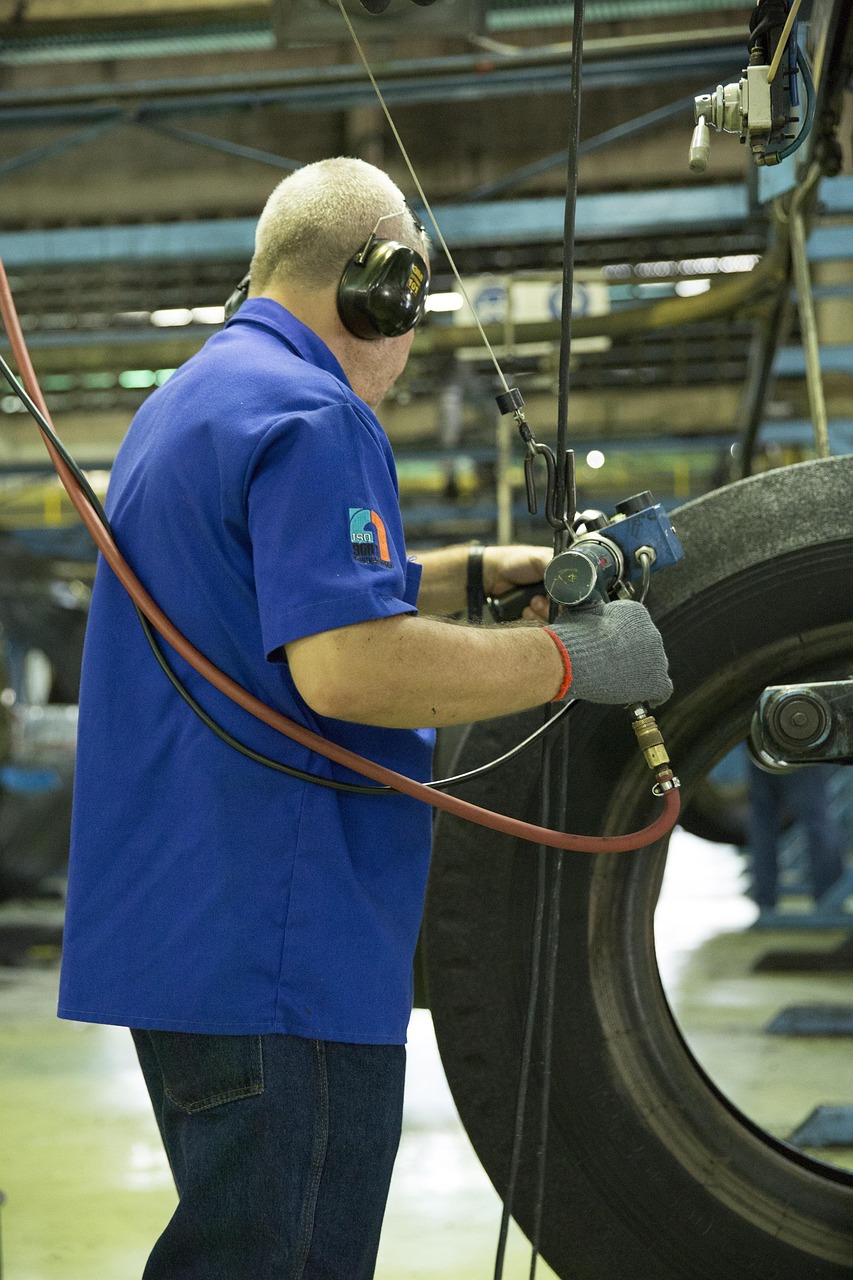
Data-driven decisions are a cornerstone of modern manufacturing quality control techniques, enabling professionals to move beyond reactive to proactive strategies. Analyzing data allows for a deeper understanding of process strengths and weaknesses, informing continuous improvement initiatives. This, in turn, leads to enhanced quality, reduced waste, and improved efficiency. A study by McKinsey & Company found that companies adopting advanced analytics in their quality control processes saw a 20% improvement in operational efficiency within a year.
In specialized manufacturing processes, where even the slightest deviation can impact final product quality, data-driven decisions are particularly valuable. Quality control challenges in global supply chains, often characterized by variability in raw materials, manufacturing techniques, and transportation conditions, can be mitigated through this approach. By collecting and analyzing data from various stages of production, manufacturers can identify and address bottlenecks early, ensuring consistency and quality across different locations and suppliers.
Disruptive technologies like AI-driven Quality Control and Computerized Vision Systems play a key role in facilitating data-driven decisions. AI algorithms can process vast amounts of data in real-time, flagging anomalies and providing actionable insights. Computerized Vision Systems can inspect products for defects with a speed and accuracy surpassing human capabilities, ensuring that only high-quality items leave the production line. These technologies, when integrated into a comprehensive manufacturing quality control software solution, offer a competitive edge, fostering a culture of continuous improvement.
To implement effective continuous improvement strategies, quality control professionals should follow leading practices such as root cause analysis (RCA) and value stream mapping. RCA involves systematically identifying the root causes of defects or inefficiencies, enabling the development of targeted solutions. Value stream mapping, a visual representation of the steps involved in a manufacturing process, helps in identifying areas for optimization. By combining these approaches with data analysis, manufacturers can make informed decisions that drive sustainable quality improvements. Visit us at manufacturing quality control software solutions for more insights and tools tailored to these challenges.
Visualize Workflow: Map and Optimize for Quality
Visualizing and optimizing the manufacturing workflow is a cornerstone of modern quality control techniques, ensuring compliance across multiple industries and minimizing supply chain risks. By mapping and analyzing the manufacturing process, companies can identify inefficiencies and bottlenecks, leading to significant improvements in overall quality control methods. A study by the American Society for Quality (ASQ) found that implementing lean principles, including process mapping, resulted in a 25% reduction in defects per unit for a leading automotive manufacturer.
One of the most effective tools in the QC arsenal is process capability analysis. This data-driven method allows manufacturers to understand how well their processes meet specifications. By visiting us at understanding process capability analysis, you can gain access to advanced algorithms and visual tools that provide accurate, real-time insights into your manufacturing process quality control methods. A semiconductor factory utilized visual inspection systems and statistical process control (SPC) to reduce wafer defects by 30%, ensuring consistent product quality and maintaining brand reputation.
Maintaining accurate documentation is important throughout this process. Digital platforms and cloud-based quality management software streamline record-keeping, enabling faster identification and resolution of issues. AI-driven quality control systems, integrated with robotic process automation (RPA), can detect defects in real-time, ensuring that only high-quality products reach the market. This proactive approach to defect detection techniques in manufacturing not only reduces waste but also enhances customer satisfaction scores, leading to repeat business and improved supply chain risk management.
In addition to these technologies, lean manufacturing principles encourage continuous improvement. Six Sigma Green Belts, for instance, play a vital role in identifying and eliminating root causes of defects, fostering a culture of quality throughout the organization. By adopting these advanced techniques, manufacturers can predict and prevent quality issues, ensuring their products meet the highest standards. This strategic focus on the techniques not only drives operational efficiency but also strengthens the company's position in the market, fostering long-term growth and competitiveness.
Empower Employees: Foster a Culture of Quality Ownership
In modern manufacturing, empowering employees to own quality is a major strategy that goes beyond traditional quality control techniques. This approach, deeply rooted in lean manufacturing principles, emphasizes the human element, fostering a culture where every worker is vigilant for excellence. By promoting a mindset of continuous improvement, manufacturers can revolutionize their production processes and raise product quality. A study by McKinsey (2020) found that companies adopting lean practices experienced a 15% increase in operational efficiency and a significant reduction in defects, underscoring the power of employee engagement.
The key lies in giving employees the tools and autonomy to make quality a shared responsibility. This involves comprehensive training, encouraging open communication, and implementing systems that provide real-time feedback. Implementing Computerized Vision Systems (CVS) allows workers to visually inspect products during the manufacturing process, identifying defects instantly. This not only empowers employees to take immediate corrective actions but also reduces the reliance on traditional, time-consuming quality checks. Leveraging AI-driven Quality Control (QC) systems enables data-driven decision-making, where historical data is analyzed to predict potential issues, ensuring sustainable materials and quality control.
To ensure compliance across multiple industries and supply chain risk management, manufacturers must integrate digital transformation into their QC strategies. Cloud-based Quality Management Software, for instance, enables real-time data sharing and process mapping, facilitating collaborative problem-solving. This digital approach ensures that quality control isn't a siloed function but a smoothly integrated part of the production process. As the future of quality control evolves, embracing these innovative techniques will be important for maintaining brand reputation, enhancing customer satisfaction scores, and fostering repeat business. Give us a call to learn how our expertise in the techniques can help you handle these exciting developments.
Measure Success: Track KPIs for Lean Manufacturing Quality Control
In manufacturing, achieving consistent quality is a relentless pursuit. Measuring success in quality control goes beyond checking for defects; it's about tracking key performance indicators (KPIs) that signal a solid and adaptable The techniques system. A lean manufacturing approach to QC can dramatically improve efficiency while maintaining, or even enhancing, product quality. This involves a data-driven methodology for continuous quality enhancement, where KPI tracking is the compass guiding production towards best performance.
Successful lean QC implementation uses specific metrics tailored to each production line. Consider a car manufacturing plant tracking the time taken to inspect each vehicle body panel. A significant drop in this KPI from 10 minutes to 6 minutes over a 3-month period indicates successful process optimization. Similarly, a reduction in the number of material test reports with "pass" results by 15% could signal a more efficient testing materials strategy for quality assurance. These KPIs, when meticulously tracked and analyzed, reveal areas for improvement, allowing for swift adjustments to standard operating procedures for quality control.
The ultimate goal is to ensure that every step of production aligns with brand reputation and customer satisfaction expectations. A study by McKinsey found that companies with strong quality management systems had 50% higher customer retention rates. By focusing on measurable KPIs, manufacturers can implement a dynamic, responsive QC system that adapts to evolving market demands and production challenges. This proactive approach not only improves efficiency but also fosters a culture of continuous learning, ensuring the quality control process remains relevant and effective over time.
By implementing lean manufacturing principles in quality control techniques, organizations can significantly revolutionize their production processes. The key lies in identifying and eliminating waste, a fundamental concept rooted in lean's foundation, which directly impacts the efficiency and effectiveness of manufacturing. Streamlining processes through tools like Statistical Process Control (SPC) and visual process mapping allows for data-driven decisions, empowering employees to actively contribute to a culture of quality ownership.
leveraging technologies such as AI-driven quality control and robotic process automation (RPA) can enhance the precision and speed of these processes, enabling real-time monitoring and adaptive quality control. As demonstrated in various case studies, these advanced techniques contribute to improved customer satisfaction scores and fostered brand reputation, ultimately driving repeat business.
In practice, organizations can start by tracking key performance indicators (KPIs) specific to lean manufacturing quality control, such as defect rates and cycle times. This data provides valuable insights for continuous improvement, aligning with the widely adopted standard ISO 9001. By adopting these strategies, manufacturers can achieve a new level of operational excellence, ensuring their products meet the highest quality standards while maintaining a competitive edge in the market.
The techniques (MQCT) streamline processes, enhance efficiency, and improve product quality. Key strategies include:
- Lean Approach: Eliminate non-value-added steps, focusing on processes impacting product quality. Smart sensors monitor parameters in real-time, enabling quick issue resolution.
- Risk Assessment: Identify and mitigate potential issues early, reducing defects and enhancing quality.
- Data-Driven Decisions: Advanced analytics improve operational efficiency by 20% within a year. AI-driven QC systems process vast data for real-time insights.
- Continuous Improvement: Implement root cause analysis (RCA) and value stream mapping for sustainable quality enhancements.
- Employee Empowerment: Engage employees in quality control, fostering a culture of continuous improvement and excellence.
- KPI Tracking: Monitor key performance indicators for dynamic, responsive QC systems that adapt to market demands and production challenges.
These techniques contribute to both high-quality products and environmental stewardship, enhancing brand reputation and customer satisfaction.