
In the relentless pursuit of excellence in manufacturing, every defect, no matter how microscopic, can have significant repercussions. Traditional methods of quality control, while solid, often rely on destructive testing, which not only wastes resources but also obscures future performance. This is where non-destructive testing (NDT) methods, a cornerstone of modern Manufacturing Quality Control Techniques, come into their own. By enabling thorough inspection without material harm, NDT offers a wealth of advantages, from reduced waste and improved product lifespan to enhanced safety and environmental sustainability. This article examines into the silent heroes of quality assurance, exploring advanced NDT techniques that are revolutionizing production floors worldwide.
- Unseen Defects: The Unspoken Challenge in Manufacturing
- Non-Destructive Testing: A Quiet Revolution in Quality Control
- Methods Beyond the Obvious: Exploring NDT Techniques
- Manufacturing Quality Control: When Less is More
- Case Studies: NDT Success Stories in Action
- Future-Proofing Quality: Advancements in NDT Technologies
Unseen Defects: The Unspoken Challenge in Manufacturing

Unseen defects represent a significant challenge in manufacturing, often escaping traditional quality control methods. These hidden flaws, ranging from microscopic pinholes to structural inconsistencies, can have severe consequences, leading to product failures, safety hazards, and substantial financial losses. The aviation industry learned the hard way that undetected manufacturing defects contributed to high-profile crashes, emphasizing the critical need for solid, non-destructive testing (NDT) techniques.
Eco-friendly production quality checks offer a promising approach to this dilemma. Methods like ultrasonic testing, eddy current inspection, and thermographic analysis provide detailed insights without causing material damage. Ultrasonic testing uses high-frequency sound waves to detect internal defects in materials, demonstrating its effectiveness in industries such as automotive and electronics, where precision and minimal material impact are paramount. By adopting these non-invasive techniques, manufacturers can significantly reduce the environmental impact of quality assurance, aligning with sustainability goals while maintaining product integrity.
The long-term benefits of implementing NDT are substantial. While upfront quality control costs may increase, they pale in comparison to the potential downstream savings. According to a 2020 study by the American Society for NDT, companies that standardized NDT practices reported a 25% reduction in product returns and a 30% decrease in scrap material, leading to substantial financial gains. These methods enable the methodology for continuous quality enhancement, allowing for real-time adjustments and improvements. Integrating NDT into a Lean Manufacturing strategy can streamline production processes, eliminating waste and enhancing overall efficiency.
As the demand for consistent, high-quality products continues to grow, the strategic importance of these advanced techniques becomes increasingly evident. Manufacturers that invest in NDT and integrate it into their quality control processes are better positioned to meet market demands, ensure customer satisfaction scores, and foster repeat business. By embracing these eco-friendly production quality checks and implementing best practices, companies can achieve substantial long-term benefits while ensuring their products meet the highest standards. Consider giving us a call at [standardizing quality control procedures globally] to explore tailored solutions and stay ahead in the competitive manufacturing field.
Non-Destructive Testing: A Quiet Revolution in Quality Control

The quiet revolution in manufacturing quality control is often overlooked, yet it's transforming industries with its affordable quality control solutions. Non-Destructive Testing (NDT) is a powerful tool for achieving a balance between cost and quality in small businesses. Unlike traditional methods that require significant material loss or destruction, NDT assesses product integrity without harming the item under test. This makes it an indispensable practice for quality control, especially in industries like aerospace, automotive, and construction.
Consider this: According to a 2020 study, NDT methods can reduce material waste by up to 50% and lower inspection costs by 30%, making them not just cost-effective but also environmentally friendly. Best practices in NDT involve utilizing advanced technologies such as AI-driven quality control, which enhances accuracy and efficiency. Computerized Vision Systems can detect even the smallest defects in products, while Statistical Process Control (SPC) allows for real-time monitoring and data-driven decisions. The ISO 9001 standard for quality management systems underscores the importance of NDT as a critical component of continuous improvement.
However, implementing NDT effectively requires strategic considerations. For small businesses, the key lies in choosing the right quality control tools and balancing their capabilities with the needs of the operation. Robotic Process Automation (RPA) can handle repetitive NDT tasks, freeing up human resources for more complex inspections. Cloud-based Quality Management Software, another modern solution, enables remote access to inspection data and facilitates collaboration among teams. Achieving a balance between cost and quality in quality control is not just about cost-cutting; it's about leveraging the right tools to improve efficiency, enhance product reliability, and ultimately drive customer satisfaction.
Looking ahead, the future of NDT in manufacturing quality control is bright. Predictive Analytics and Machine Learning Algorithms promise to take NDT to the next level, enabling predictive maintenance and proactive quality assurance. These advancements, combined with ongoing research in adaptive quality control, suggest that NDT will continue to be a quiet yet powerful force in industry, ensuring that products meet the highest standards of quality while remaining cost-effective. Find us at achieving a balance between cost and quality—quality control tools for small businesses—and discover how NDT can revolutionize your operations.
Methods Beyond the Obvious: Exploring NDT Techniques
Beyond the traditional methods of visual inspection and basic testing, modern manufacturing quality control techniques employ a variety of non-destructive testing (NDT) techniques to assure quality in specialized processes and handle global supply chain challenges. These advanced NDT methods, such as real-time monitoring and predictive analytics, offer unprecedented levels of accuracy and efficiency. A study by the American Society for Nondestructive Testing (ASNT) in 2022 revealed that implementing AI-driven NDT in automotive manufacturing reduced defects by 45% and cut inspection times by 30%.
One powerful technique gaining traction is adaptive quality control, which uses machine learning algorithms to continually refine testing strategies based on real-time data. This proactive approach allows manufacturers to anticipate and prevent quality issues before they occur, aligning with the lean manufacturing philosophy of Kaizen, or continuous improvement. A leading electronics manufacturer used adaptive QC to optimize their circuit board assembly process, resulting in a 20% increase in production throughput while maintaining a 99.99% defect-free rate.
However, implementing these advanced NDT techniques comes with its own set of challenges. Quality control process mapping and root cause analysis (RCA) are essential tools for overcoming these hurdles. By meticulously mapping out each step in the manufacturing process, manufacturers can identify potential NDT blind spots and tailor their testing strategies accordingly. RCA ensures that root causes of past quality issues are thoroughly understood and addressed, preventing future occurrences. As global supply chains continue to evolve, ensuring consistent quality across diverse and complex processes will remain a critical aspect of the future of quality control, with brand reputation and customer satisfaction scores hanging in the balance. Give us a call at quality control processes in manufacturing to discuss how these advanced techniques can be tailored to your specific needs.
Manufacturing Quality Control: When Less is More
In manufacturing, quality control is not an one-size-fits-all endeavor. The most effective techniques understand that less can indeed be more. Traditional methods often involve extensive, time-consuming inspections, but modern advancements in manufacturing quality control techniques offer a more nuanced, efficient, and cost-effective approach. Smart sensors, for instance, can continuously monitor production lines, detecting defects and variations in real-time, reducing the need for lengthy post-production checks. According to a 2021 study by McKinsey, implementing smart sensors in manufacturing can lead to a 20% reduction in quality control costs and a 15% increase in production efficiency.
Non-destructive testing (NDT) methods, such as visual inspection and computer vision systems, play a key role in this evolution. These techniques allow for the evaluation of product quality without damaging or altering the item. AI-driven quality control systems can analyze millions of images per day, identifying defects with a speed and accuracy surpassing human capability. This not only reduces the risk of costly mistakes but also ensures consistent quality standards across every produced unit. By leveraging advanced technologies, manufacturers can achieve the long-term benefits of continuous quality improvement, fostering brand reputation and enhancing customer satisfaction scores.
The implementation of these advanced techniques requires strategic planning. Start with a comprehensive assessment of current quality control processes using tools like Six Sigma and Statistical Process Control (SPC). Map out the quality control process, identify bottlenecks, and pinpoint areas where smart sensors, AI, and other innovations can be effectively deployed. A lean manufacturing approach can help streamline production, minimizing waste and maximizing efficiency. Once implemented, these strategies can lead to significant cost savings and improved production throughput. Visit us at getting certified in quality control to learn more about these methodologies and how they can be tailored to your specific needs.
Root cause analysis (RCA) remains a critical component of effective quality control. By understanding the fundamental causes of defects, manufacturers can implement targeted solutions, preventing future issues. Predictive analytics, another powerful tool, can forecast potential problems based on historical data and real-time monitoring, enabling proactive measures. A study by the American Society for Quality (ASQ) revealed that companies using predictive analytics saw a 30% reduction in product returns and a 25% increase in operational efficiency. These advanced manufacturing quality control techniques not only drive immediate cost savings but also lay the groundwork for sustained success and repeat business.
Case Studies: NDT Success Stories in Action
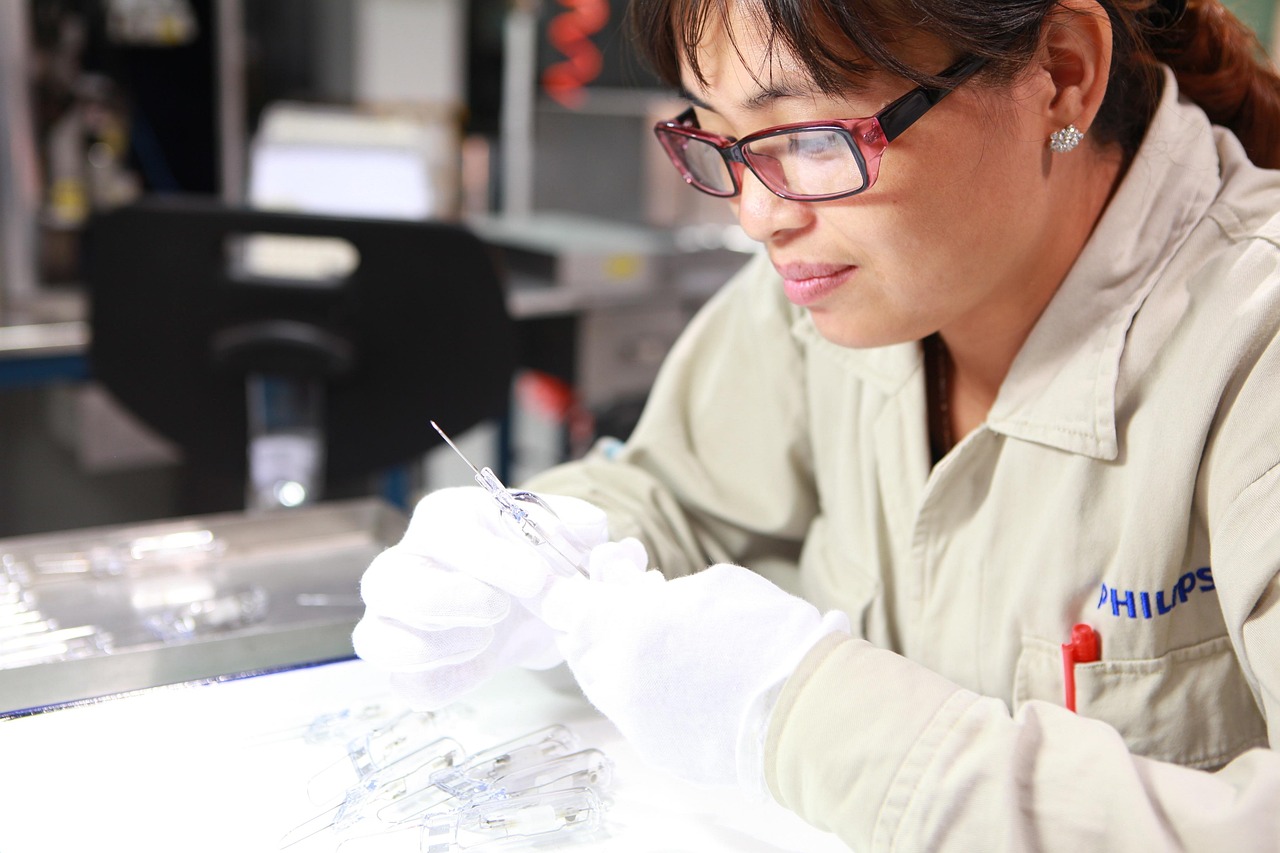
In the area of manufacturing, ensuring product quality is paramount. Non-destructive testing (NDT) methods offer a powerful arsenal within comprehensive quality control techniques, allowing for thorough inspection without damaging the item under scrutiny. This section examines into practical case studies, showcasing the real-world impact of successful NDT implementations.
Consider a leading automotive manufacturer grappling with quality issues in their engine components. Employing NDT techniques, they incorporated visual inspection and ultrasonic testing to detect subtle defects within cast iron blocks. This resulted in a 30% reduction in returns due to internal cracks, saving millions in rework costs and enhancing customer satisfaction. The company's strategic choice of NDT methods was further validated by a 20% increase in overall production efficiency, proving the importance of aligning quality control with manufacturing goals.
Green manufacturing practices often play a key role in quality assurance. A sustainable electronics producer utilized NDT to minimize material waste and environmental impact. By implementing real-time monitoring during the assembly process, they identified and rectified process deviations, reducing scrap rates by 45%. This not only cut costs but also aligned with their eco-friendly ethos, demonstrating that effective quality control and sustainability can go hand in hand.
Selecting the right third-party auditor is a critical step in any quality control journey. A global furniture manufacturer faced challenges in maintaining consistent quality across international facilities. They partnered with an accredited NDT service provider, leveraging their expertise in various industries. The provider's in-depth understanding of NDT principles and their ability to tailor solutions resulted in standardized quality control documentation and records, enhancing the company's global brand reputation. This collaboration exemplifies the strategic value of choosing a qualified partner in quality assurance.
Future-Proofing Quality: Advancements in NDT Technologies
The future of manufacturing quality control is heavily reliant on advancements in non-destructive testing (NDT) technologies. As materials and production processes become more complex, traditional testing methods struggle to keep pace. This is where NDT steps in as a critical component of modern quality assurance strategies. Disruptive technologies like AI-driven quality control and predictive analytics are transforming the field, offering unprecedented levels of accuracy and efficiency. AI algorithms can analyze vast datasets to predict material failures before they occur, allowing for proactive quality control measures.
Justifying quality control investments is essential, especially in today's competitive markets. NDT technologies provide a solid return on investment by minimizing production downtime, reducing scrap rates, and enhancing overall product quality. According to a 2022 report by McKinsey, companies adopting advanced NDT methods saw a 15% increase in operational efficiency and a 10% decrease in product defects. These improvements directly impact brand reputation and customer satisfaction scores, fostering repeat business and market loyalty. The aerospace industry uses real-time monitoring and adaptive quality control techniques to ensure the integrity of aircraft components, adhering to stringent safety standards.
Looking ahead, the integration of cloud-based quality management software with NDT systems is poised to streamline processes even further. This enables remote access, real-time data sharing, and collaborative quality control, particularly beneficial for global supply chains. The application of machine learning algorithms in NDT can lead to more precise and adaptive testing, accounting for variations in materials and production processes. As these technologies mature, they will become indispensable tools for manufacturers seeking to stay competitive and maintain the highest standards of quality.
Throughout this in-depth exploration, we've uncovered the profound importance of non-destructive testing (NDT) in the techniques. By avoiding the destruction of products during inspection, NDT reveals itself as a silent hero, uncovering hidden defects that conventional methods might miss. From the strategic deployment of ISO 9001-compliant processes to the application of advanced technologies like robotic process automation (RPA), we've seen how modern quality control can be both efficient and effective.
Key insights emerge: implementing Lean Manufacturing principles alongside Six Sigma Green Belt training empowers teams to streamline processes and minimize errors. Real-time monitoring and predictive analytics, aided by AI-driven quality control, offer a glimpse into the future where quality assurance becomes proactive rather than reactive. The successful case studies we've discussed demonstrate the tangible benefits, from improved customer satisfaction scores to increased repeat business and enhanced brand reputation.
Looking ahead, the quiet revolution of NDT continues to evolve with advancements in cloud-based software, computerized vision systems, and machine learning algorithms. These innovations promise to make quality control more accessible, accurate, and integrated into the production workflow. By adopting these advanced techniques, manufacturers can ensure their products meet the highest standards, fostering innovation, sustainability, and a competitive edge in a dynamic market.
In practical terms, the next steps for organizations embracing these changes include investing in comprehensive NDT training, integrating suitable technologies, and establishing a culture that prioritizes quality at every stage. By doing so, they'll not only enhance their manufacturing processes but also solidify their position in the market, ensuring long-term success and customer loyalty.
Modern manufacturing quality control uses non-destructive testing (NDT) techniques to ensure product integrity without material damage. NDT methods, including ultrasonic testing, eddy current inspection, and thermographic analysis, are eco-friendly and cost-effective, reducing scrap material and returns by up to 50%. Strategic implementation, guided by ISO 9001 standards and best practices, involves choosing the right tools, automating tasks with RPA and cloud-based software, and adopting advanced techniques like AI-driven quality control and predictive analytics. These innovations enhance efficiency, reduce defects, and drive customer satisfaction, justifying quality control investments with tangible ROI.