
In the heart of any manufacturing operation lies a critical, yet often overlooked, aspect: Manufacturing Quality Control Techniques. Ensuring product consistency, identifying defects early, and streamlining processes are paramount to not just meeting, but exceeding, customer expectations. Effective Quality Control (QC) transforms raw materials into finished goods with unwavering precision, fostering a culture of excellence and driving business success.
However, navigating the labyrinth of QC challenges can be daunting. From manual inspection's limitations to implementing cutting-edge AI, manufacturers face a tapestry of considerations. This article delves into the best practices, advanced technologies, and strategic solutions that empower professionals to master modern QC, enhance efficiency, and ultimately, revolutionize their manufacturing processes.
We'll explore how data-driven insights, digital tools, and lean principles are transforming QC, enabling folks to talk about innovative trends that will shape the future of manufacturing. Get ready to unlock the secrets of exceptional quality control.
- Establishing Robust Manufacturing Quality Control Techniques
- Advanced QC Technologies: Cost-Effective Solutions and Future Trends
- Streamlining and Enhancing Quality: Strategies for Continuous Improvement
Establishing Robust Manufacturing Quality Control Techniques
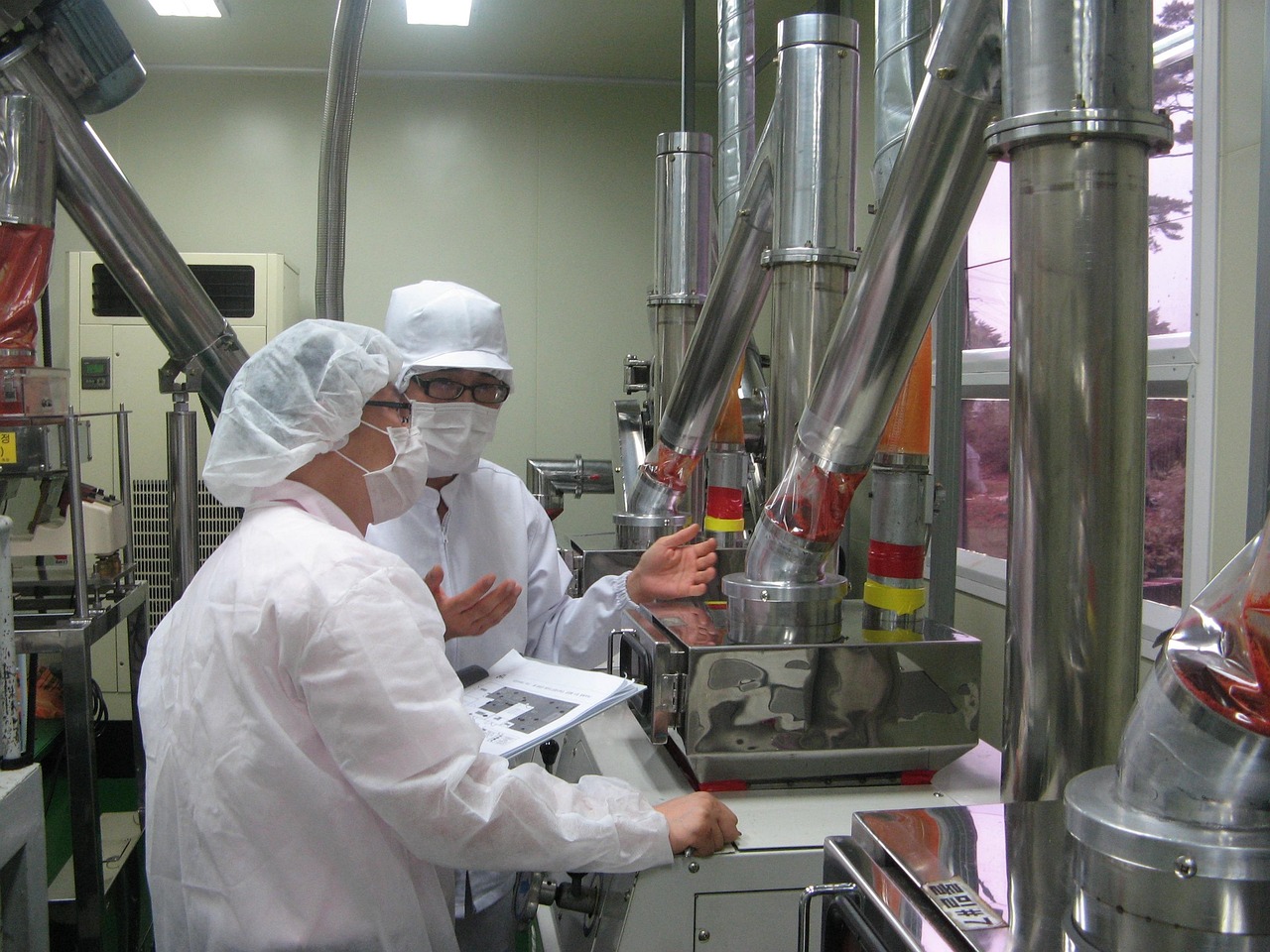
Establishing robust Manufacturing Quality Control Techniques requires a multifaceted approach that seamlessly integrates advanced technologies, robust processes, and a cultivated culture of quality. Ensuring compliance across multiple industries and managing supply chain risks are paramount, necessitating meticulous attention to detail at every production stage. By implementing these techniques, manufacturers can justify quality control investments, ultimately driving customer loyalty and business success.
A key strategy involves leveraging data analytics to identify trends, anticipate potential issues, and proactively address them. For instance, analyzing historical production data can reveal patterns leading to specific defects, allowing for targeted interventions. Moreover, integrating AI-powered defect detection into quality control workflows can significantly enhance speed and accuracy, enabling faster correction and preventing the spread of defects.
Creating a culture of quality within the factory is equally vital. This involves training employees at all levels to recognize quality issues, embrace continuous improvement, and actively participate in quality control processes. Providing comprehensive training programs, such as advanced QC certification courses, equips workers with the knowledge and skills to uphold stringent quality standards. Empowered employees become the backbone of a robust quality control system, ensuring consistency and reliability in every batch produced.
In addition to data-driven insights and a culture of quality, manufacturers should consider the following best practices. Implementing lean principles in quality control streamlines processes, minimizes waste, and enhances efficiency. Automating certain QC steps can significantly reduce human error, especially in repetitive tasks. However, it's crucial to balance automation with human oversight to prevent over-reliance on technology and ensure the accuracy and reliability of results. Lastly, regularly reviewing and refining manufacturing processes provides opportunities to identify areas for improvement, ultimately leading to enhanced product quality and satisfied customers.
Give us a call at [your contact information] to learn more about how to ensure product quality during manufacturing and implement these effective techniques.
Advanced QC Technologies: Cost-Effective Solutions and Future Trends
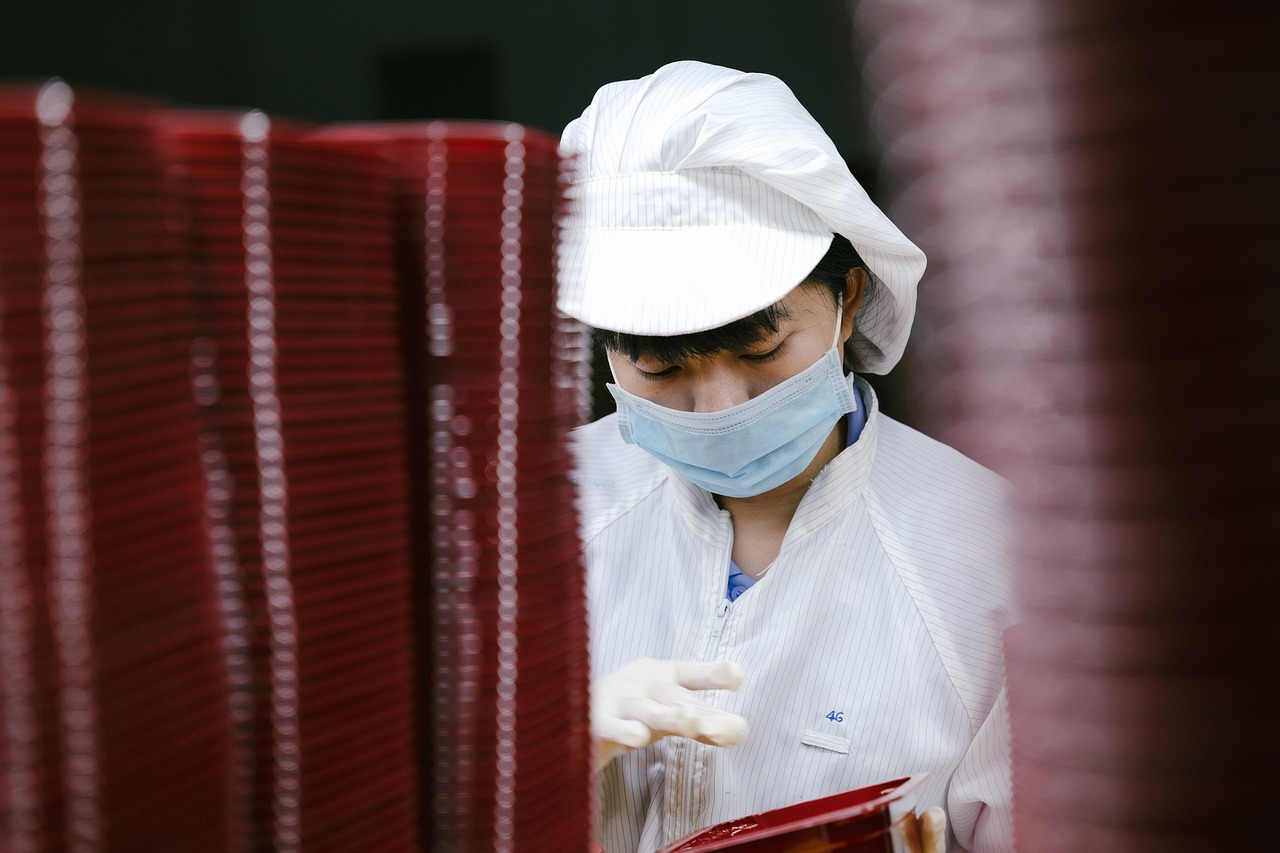
Advanced manufacturing quality control technologies offer cost-effective solutions and drive continuous improvement. As the landscape of manufacturing evolves, so do the tools and techniques for ensuring product quality. Among the most promising innovations, implementing Artificial Intelligence (AI) in quality control stands out as a game-changer, enhancing precision and efficiency. AI-powered systems can detect even the subtlest defects, enabling prompt corrective actions. For instance, a study by McKinsey found that AI-driven quality control can reduce manufacturing defects by up to 30% and improve overall production efficiency.
Choosing the right third-party auditor is a critical step in enhancing manufacturing quality control techniques. A competent auditor brings impartial expertise, ensuring that quality standards are met consistently. Quality control documentation and records are vital, serving as a comprehensive audit trail that facilitates traceability and accountability. Well-maintained records enable manufacturers to identify trends, pinpoint root causes of issues, and make data-driven decisions. For example, a lean manufacturing approach, such as implementing Kaizen events, can be seamlessly integrated into quality control processes. Kaizen, focusing on continuous improvement, involves small, structured changes that address specific inefficiencies, ultimately enhancing overall manufacturing quality.
Non-destructive testing (NDT) methods play a significant role in modern quality control, offering cost-effective solutions without damaging the product. Techniques like ultrasonic testing, radiographic inspection, and thermal imaging are widely used in various industries. These methods allow manufacturers to detect internal flaws, ensuring product integrity without destroying the item for further inspection. For instance, thermal imaging cameras can quickly identify temperature variations, helping to uncover potential issues in assembly lines or welds. By combining advanced technologies like AI and traditional NDT methods, manufacturers can achieve unprecedented levels of quality control, fostering customer confidence and market competitiveness.
Looking ahead, the future of manufacturing quality control is shaped by trends such as Industry 4.0, where the integration of digital technologies revolutionizes production processes. As data-driven insights become more accessible, manufacturers can proactively identify quality issues, anticipate trends, and continuously improve their operations. To stay ahead, manufacturers should invest in training employees, implementing digital tools, and embracing innovative techniques like AI. By doing so, they can ensure that their quality control remains agile, efficient, and aligned with the evolving needs of the market, ultimately driving customer loyalty and sustained success.
Streamlining and Enhancing Quality: Strategies for Continuous Improvement
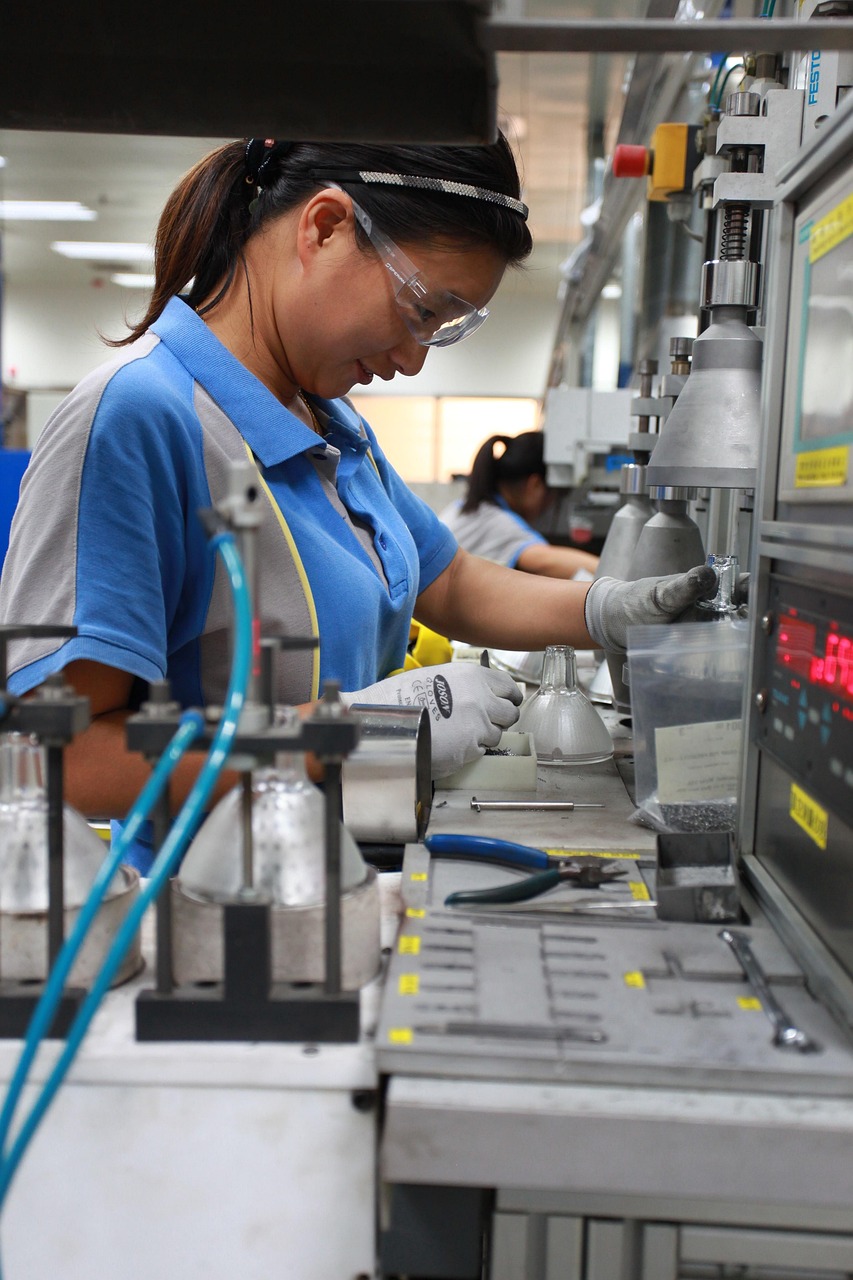
In the realm of manufacturing, achieving consistent product quality is a complex yet crucial task. Streamlining and enhancing manufacturing quality control techniques is a strategic necessity for small and large businesses alike. This involves a multifaceted approach that combines efficient processes, cutting-edge technology, and a deep understanding of quality control best practices.
One of the most effective ways to elevate manufacturing quality control is by integrating advanced technologies, such as automated quality control systems. These systems not only enhance speed and accuracy but also offer cost-effective solutions. For instance, automated optical inspection (AOI) machines can detect defects with high precision, reducing manual inspection time and labor costs. Moreover, leveraging machine vision technology for visual inspection can surpass traditional methods, ensuring consistent and detailed analysis across various product types. Visit us at [advantages of automated quality control in manufacturing] to explore the full potential.
Maintaining accurate documentation is paramount in manufacturing quality control. This includes meticulously recording inspection results, identifying recurring issues, and utilizing customer insights for continuous improvement. Visual inspection, a fundamental technique, can be elevated through machine vision, offering more comprehensive data for informed decision-making. For small businesses, implementing digital documentation systems can streamline processes and ensure compliance. Regular reviews of quality control data enable manufacturers to pinpoint problem areas, implement targeted solutions, and ultimately, enhance overall product quality.
To summarize, streamlining manufacturing quality control involves a blend of technological advancements, meticulous documentation, and strategic planning. By adopting best practices, embracing technology, and prioritizing data-driven insights, manufacturers can foster a culture of quality. This, in turn, leads to improved product consistency, enhanced customer satisfaction, and a competitive edge in the market.
In conclusion, this comprehensive guide has unveiled a wealth of insights into Manufacturing Quality Control Techniques, equipping readers with a strategic toolkit for excellence. By delving into established best practices, exploring cutting-edge technologies, and navigating the complexities of process improvement, professionals can revolutionize their approach to quality assurance. The article highlights the importance of a holistic strategy, combining data-driven analysis, advanced tools like AI, and a cultivated culture of continuous improvement. Key takeaways include the need for proactive root cause analysis, efficient process streamlining, and the strategic adoption of cost-effective solutions tailored to specific manufacturing challenges. Embracing these principles and implementing the outlined strategies will not only enhance product quality but also foster customer loyalty and drive success in today's competitive market. As the field evolves, staying informed about trends and investing in advanced QC technologies will be crucial for maintaining a competitive edge.
Enhance Manufacturing Quality Control Techniques with advanced technologies like AI, automated systems (AOI), and machine vision for speed, accuracy, and cost-effectiveness. Cultivate a quality culture through employee training and certification, fostering continuous improvement. Implement lean principles, streamline processes, and balance automation with human oversight. Regularly review and refine, leveraging data insights for targeted solutions. Choose third-party auditors, maintain thorough documentation, and adopt NDT methods for non-destructive testing. Embrace Industry 4.0 trends, invest in training, and innovate to stay ahead, driving customer loyalty and business success.